

The rapid evolution of blockchain technology has brought privacy and transparency into direct conflict. In 2025, the demand for privacy-compliant bitcoin mixing and legal cryptocurrency mixing services is at an all-time high, but so is regulatory scrutiny. Regulated crypto mixers have stepped up to address the blockchain transparency problem with a blend of cryptographic innovation and proactive compliance strategies.

Blockchain Transparency: Boon or Vulnerability?
Blockchains are designed for transparency. Every transaction is etched into a public ledger, creating an immutable audit trail. This openness is great for accountability but poses serious risks for user privacy. Anyone with a block explorer can trace transactions, map wallet addresses, and even infer personal or business relationships. In 2025, as more institutions adopt crypto, exposure to surveillance and competitive intelligence threats has become a critical concern.
Privacy advocates argue this level of visibility undermines financial sovereignty. Meanwhile, regulators worry that untraceable transactions could facilitate money laundering or terrorist financing. The result: an urgent need for crypto transaction privacy solutions that don’t cross legal lines.
The Rise of Regulated Crypto Mixers in 2025
In response to mounting pressure from agencies like FinCEN and the FATF, regulated crypto mixers have evolved rapidly. Unlike legacy mixers that simply jumble coins to break transaction trails, today’s regulated mixers use advanced cryptography, especially zero-knowledge proofs (zk-SNARKs): to validate transactions without leaking sensitive details.
But the real game-changer is Selective De-Anonymization (SeDe). This framework allows regulated mixers to maintain user anonymity by default while enabling targeted traceability when required by law enforcement or court order. It’s a tactical solution: compliant users enjoy strong privacy; illicit actors cannot hide behind total opacity.
For more on how these frameworks work in practice, see our deep dive on balancing privacy and compliance in 2025.
Programmable Governance: Real-Time Compliance Without Sacrificing Privacy
The integration of programmable governance mechanisms marks another leap forward for legal cryptocurrency mixing services. By leveraging smart contracts and off-chain consensus protocols, modern mixers can monitor flows in real-time, flagging suspicious activity without exposing user data unnecessarily.
This approach aligns with global AML requirements while keeping friction low for legitimate users. Regulators get the oversight they need; users retain control over their data. It's a practical balance that reflects where the industry is heading.
The landscape isn’t static, regulatory attitudes are shifting fast. The introduction of bills like the Blockchain Integrity Act shows lawmakers are still probing how much privacy should be permitted before it becomes a threat to financial integrity. Yet even as some call for bans or restrictions, others recognize that outright prohibition isn’t realistic or desirable if crypto is to achieve mainstream adoption.
Key Innovations Powering Privacy-Compliant Bitcoin Mixing
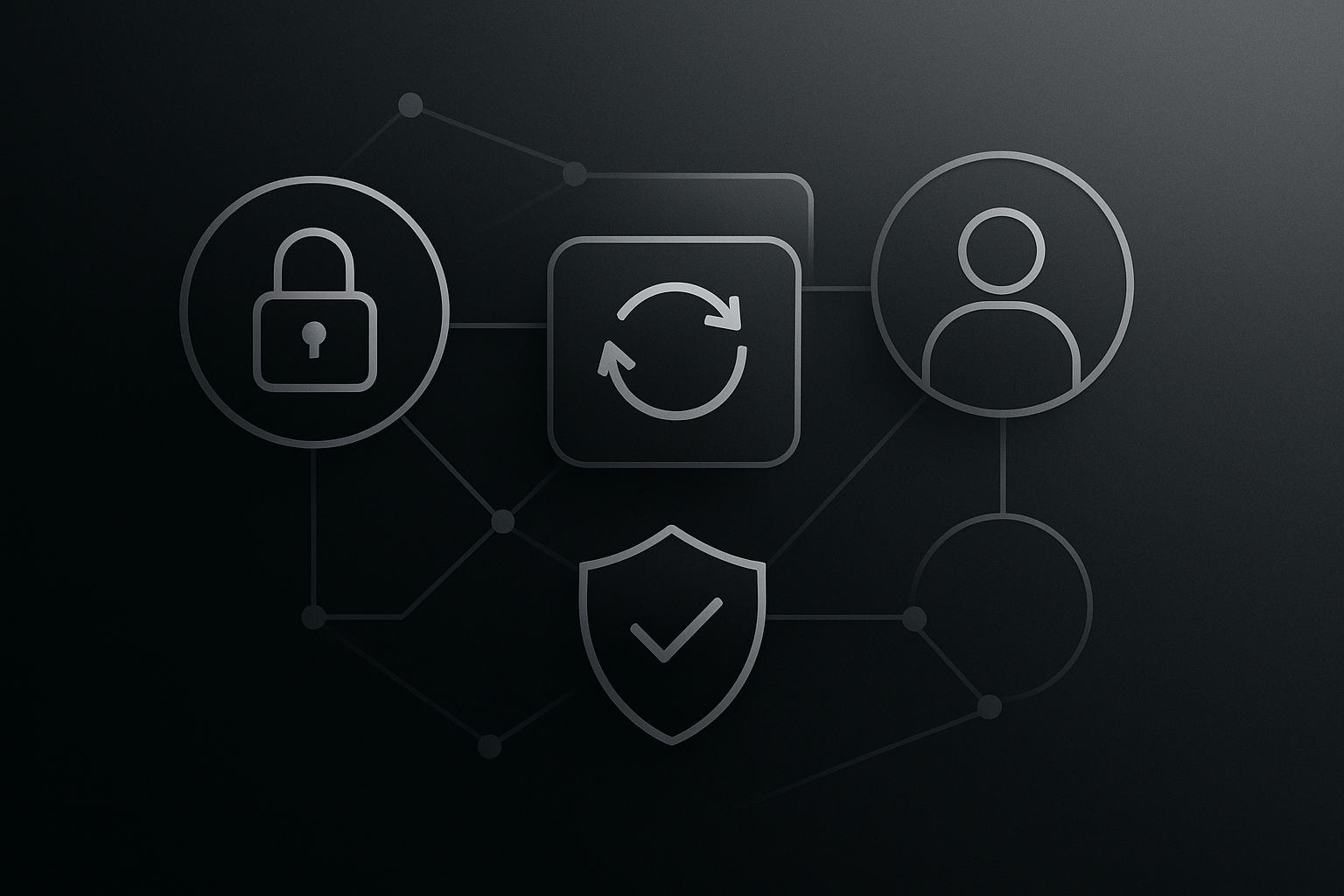
The most effective regulated crypto mixers in 2025 combine three pillars:
- Zero-Knowledge Proofs (zk-SNARKs): Enabling transaction validation without revealing underlying details.
- Selectively Triggered Traceability: Using SeDe frameworks to allow de-anonymization only under defined legal circumstances.
- Programmable Governance: Smart contracts enforce compliance rules dynamically as regulations evolve.
This multi-layered architecture ensures robust protection against both surveillance risks and illicit finance accusations.
For institutions and individuals alike, these advances mean that using a regulated crypto mixer is no longer a legal gray area. Instead, it’s a tactical choice for those who need privacy without the baggage of non-compliance. The technical leap from simple coin-mixing to programmable, auditable privacy protocols is what sets today’s solutions apart from their predecessors.
The Regulatory Tightrope: Navigating 2025’s Compliance Landscape
With the Blockchain Integrity Act and FinCEN’s evolving stance, the definition of compliance is more nuanced than ever. Mixers must now demonstrate not just technical prowess but also operational transparency. This means routine audits, transparent governance processes, and clear mechanisms for responding to legal requests.
Regulated mixers are increasingly working alongside blockchain intelligence firms to integrate risk-scoring and transaction monitoring directly into their platforms. These partnerships allow mixers to flag high-risk activity in real time while never exposing user identities unless legally compelled. It’s an ecosystem approach: privacy tech vendors, compliance officers, and regulators are all part of the same feedback loop.
It’s also worth noting that user education is now a core part of any reputable mixing service. Providers are publishing detailed guides on how their privacy features work, what triggers selective de-anonymization, and how users can remain compliant in different jurisdictions. This transparency helps build trust with both users and regulators.
The Future: Sustainable Privacy in a Transparent World
The battle between privacy and transparency isn’t going away. If anything, it will intensify as more value flows onto blockchains and the stakes get higher for both regulators and privacy advocates. But regulated crypto mixers in 2025 have proven that it’s possible to engineer systems where privacy doesn’t have to mean opacity, nor does transparency require total surveillance.
The next phase will likely involve even tighter integration between on-chain analytics tools, decentralized identity frameworks, and programmable compliance protocols. As zero-knowledge proofs become more efficient and selective de-anonymization gets refined through real-world testing, expect the line between private and public finance to blur further, but with clear legal guardrails.
If you want a deeper look at how these trends are shaping day-to-day crypto transactions, and practical tips for choosing compliant privacy solutions, check out our tactical guide for 2024.
The bottom line? Regulated crypto mixers aren’t just patching over blockchain transparency problems, they’re setting new standards for what responsible financial privacy looks like in the digital age.
No comments yet. Be the first to share your thoughts!