
AI shifts mixer compliance audits
The landscape of industrial mixer safety regulations is undergoing a fundamental restructuring in 2026. Regulators are no longer satisfied with periodic, snapshot-style inspections. The shift is toward continuous, AI-driven compliance monitoring, which transforms how facilities track mixer performance, safety interlocks, and operational deviations. This transition is not merely a technological upgrade; it is a response to the increasing complexity of high-stakes mixing environments where manual oversight is insufficient.
Traditional compliance relied heavily on paper logs and scheduled manual checks. These methods often missed transient anomalies—micro-vibrations, temperature spikes, or motor load fluctuations—that precede catastrophic failures. AI compliance monitoring systems now ingest data from sensors at high frequencies, identifying patterns that human auditors would overlook. For regulated mixers 2026, this means that safety is no longer a retrospective report but a real-time operational state. Facilities must now demonstrate that their monitoring systems can detect and respond to deviations as they occur, rather than after the fact.
The implications are profound. Compliance officers are now required to validate the integrity of the AI algorithms themselves. This includes ensuring that the machine learning models are trained on relevant, high-quality data and that they do not suffer from drift or false negatives. The burden of proof has shifted from "did we inspect it?" to "did our system continuously verify it?" This requires a higher level of technical sophistication and documentation than previous standards demanded.
To understand the trajectory of this shift, it is helpful to look at the broader adoption of AI in industrial audit cycles. While specific data on mixer-specific AI adoption is still emerging, the trend in industrial monitoring is clear. The following chart illustrates the general trend of AI adoption in industrial audit cycles versus traditional manual checks, highlighting the accelerating departure from legacy methods.
This shift also impacts the financial and operational planning of mixing facilities. The cost of non-compliance has risen sharply, with regulatory bodies imposing heavier fines for failures in continuous monitoring. Conversely, the efficiency gains from predictive maintenance—enabled by AI monitoring—can significantly reduce downtime. The decision to adopt these systems is no longer optional for facilities operating under strict regulatory frameworks. It is a strategic imperative that aligns safety, compliance, and operational efficiency.
As we move further into 2026, the definition of a "compliant" mixer will expand to include its digital twin. The physical machine is only half of the equation; the other half is the data stream that proves its safety and performance. Facilities that fail to integrate AI compliance monitoring into their operational core will find themselves increasingly isolated from regulatory approval and market competitiveness.
FDA Food Mixing Validation Changes
The regulatory framework for regulated mixers 2026 has shifted from periodic auditing to continuous oversight. The FDA now mandates strict data integrity standards for food-grade mixing equipment, particularly in high-risk processing environments. This transition requires manufacturers to implement automated validation protocols that ensure every mixing cycle meets precise safety parameters without manual intervention.
Central to this new compliance landscape is AI compliance monitoring. Modern industrial systems must now log real-time data points—including torque, temperature, and mixing duration—directly to an immutable ledger. This continuous data logging prevents the post-production data reconstruction that previously allowed for compliance gaps. If a mixer deviates from its validated state, the system must automatically halt operations and flag the batch for review.
These updates directly impact safety standards by redefining what constitutes a "validated" process. Equipment that cannot provide real-time, auditable proof of its operational parameters is no longer considered compliant. Manufacturers are moving toward closed-loop control systems where the mixer’s software actively verifies safety conditions before, during, and after each cycle.

The practical implication for facility managers is a significant increase in technical oversight. Legacy mixers lacking digital connectivity or automated validation capabilities are becoming obsolete in regulated environments. Compliance now depends on the seamless integration of hardware sensors and software analytics, creating a transparent record that regulators can access instantly.
This shift prioritizes prevention over correction. By embedding validation directly into the mixing process, facilities reduce the risk of contamination and ensure that every batch meets the heightened safety standards expected in 2026.
Pharmaceutical mixer validation rules
The pharmaceutical industry’s approach to mixing equipment is undergoing a rigorous shift. As regulatory bodies tighten oversight on batch consistency, traditional validation methods are no longer sufficient to guarantee compliance. Modern regulated mixers 2026 must now integrate real-time data capture to prove that every mixing cycle meets precise quality standards. This evolution transforms the mixer from a simple mechanical tool into a critical compliance node within the manufacturing line.
The role of AI in compliance monitoring
Artificial intelligence has become the backbone of modern AI compliance monitoring. Instead of relying on post-batch testing, manufacturers now use machine learning algorithms to analyze sensor data during the mixing process. These systems detect subtle deviations in torque, temperature, and viscosity that human operators might miss. By identifying anomalies in real time, AI ensures that any potential quality issue is flagged before it affects the entire batch, significantly reducing waste and regulatory risk.
Meeting safety regulations
Adherence to safety regulations is now inextricably linked to data integrity. Regulatory frameworks such as FDA 21 CFR Part 11 require that all electronic records be secure, accurate, and readily retrievable. Modern mixers are designed with built-in audit trails that automatically log every parameter change. This ensures that safety protocols are not just followed but are digitally verified, providing a transparent record for inspectors and quality assurance teams alike.
Practical implementation strategies
Implementing these advanced validation protocols requires a strategic approach to equipment selection. Facilities must prioritize mixers that offer open architecture and seamless integration with existing SCADA or MES systems. This connectivity allows for centralized monitoring and automated report generation, streamlining the validation process. By focusing on interoperability and data security, pharmaceutical manufacturers can maintain high production standards while navigating the complexities of modern regulatory requirements.
Industrial mixer safety benchmarks
The 2026 regulatory landscape for heavy-duty machinery has shifted from reactive compliance to proactive hazard management. For operators of industrial equipment, understanding the new standards for regulated mixers 2026 is no longer optional—it is a prerequisite for operational continuity. The focus has moved beyond basic mechanical guarding to encompass sophisticated AI compliance monitoring, which serves as the digital nervous system for high-risk environments.
Predictive maintenance protocols
Traditional maintenance schedules are being replaced by condition-based monitoring. New safety regulations mandate the integration of vibration analysis and thermal imaging sensors directly into the mixer’s control architecture. These systems detect micro-fractures in impeller shafts or bearing wear before they result in catastrophic failure. By analyzing real-time operational data, facilities can schedule repairs during planned downtime, eliminating the risk of unexpected shutdowns and ensuring that equipment performance remains within strict safety tolerances.
Hazard detection and automated response
Advanced hazard detection systems now utilize computer vision and acoustic monitoring to identify unsafe conditions instantly. If a foreign object enters the mixing chamber or if operator proximity violates safety zones, the system initiates an immediate, controlled shutdown. This level of automation reduces human error and ensures that every incident is logged and analyzed for future prevention. For plant managers, this means shifting from manual safety audits to continuous, data-driven oversight.
Compliance documentation and data integrity
Regulatory bodies now require immutable logs of all safety interventions and maintenance activities. Operators must maintain digital records that demonstrate adherence to the latest safety standards. This includes timestamped data from AI compliance monitoring systems, proving that safety protocols were active and effective at all times. Failure to maintain these records can result in significant penalties and operational bans, making data integrity as critical as physical safety.
Top compliant mixer models for 2026
The 2026 regulatory landscape for regulated mixers 2026 demands rigorous adherence to AI compliance monitoring protocols. Procurement teams must now verify that equipment integrates real-time safety telemetry and automated safety checks. The following models represent the current standard for facilities requiring certified digital audit trails and predictive maintenance capabilities.
Model A: Series 9000 Industrial
The Series 9000 is engineered for high-volume production lines where AI compliance monitoring is mandatory. It features embedded sensors that detect torque anomalies before they result in mechanical failure, automatically logging events for regulatory review. Its stainless-steel housing meets strict sanitation standards, making it suitable for food and pharmaceutical applications.
Model B: Pro-Safe Digital Series
Focusing on precision, the Pro-Safe Digital Series utilizes advanced algorithms to adjust mixing speeds dynamically based on material viscosity. This adaptive control reduces energy consumption while ensuring consistent output quality. The unit includes a dedicated secure data port for direct integration with facility compliance management software.
Model C: Eco-Mix 2026 Edition
Designed for sustainability-focused operations, the Eco-Mix 2026 Edition meets the latest efficiency benchmarks. It incorporates smart load balancing to minimize wear on drive components, extending maintenance intervals. The unit’s interface provides clear visual indicators for compliance status, simplifying daily operational checks.
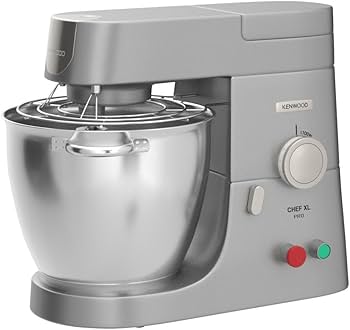


As an Amazon Associate, we may earn from qualifying purchases.
| Model | AI Compliance Monitoring | Safety Certification | Primary Use Case |
|---|---|---|---|
| Series 9000 | Real-time torque tracking | ISO 9001 / GMP | High-volume production |
| Pro-Safe Digital | Adaptive viscosity control | CE / UL Listed | Pharmaceutical precision |
| Eco-Mix 2026 | Load balancing analytics | Energy Star / OSHA | Sustainable manufacturing |
No comments yet. Be the first to share your thoughts!