

In the ever-evolving world of cryptocurrency, where privacy battles regulatory scrutiny, 2026 marks a pivotal shift toward legal crypto privacy solutions. Sanctioned services like Tornado Cash once symbolized the promise of untraceable transactions, but their turbulent history underscores the risks of operating outside compliance frameworks. Enter regulated crypto mixers, platforms engineered to deliver anonymity without inviting legal peril. These tools, blending zero-knowledge proofs with verifiable credentials, empower users to obscure transaction trails while satisfying AML requirements. As the U. S. Treasury refines its stance post-Tornado Cash delisting, savvy investors and institutions are pivoting to these compliant alternatives, ensuring their funds remain private yet permissible.
The Tornado Cash Rollercoaster: Sanctions, Court Battles, and Lessons Learned
Flash back to August 2022: The U. S. Treasury's Office of Foreign Assets Control (OFAC) slapped sanctions on Tornado Cash, accusing it of laundering over $7 billion, including funds pilfered by North Korea's Lazarus Group. U. S. persons were barred from interacting with its smart contracts, igniting debates on whether code could be "property" under the International Emergency Economic Powers Act (IEEPA). Fast-forward to November 2024, when the Fifth Circuit Court upended those sanctions, ruling Tornado Cash's immutable contracts fell outside IEEPA's grasp. By March 2025, the Treasury conceded, removing it from the sanctions list while vowing vigilance against illicit flows.
This saga, detailed in reports like TRM Labs' 2026 Crypto Crime Report and Elliptic's analysis on mixer sanctions challenges, exposed the fragility of non-custodial privacy tools. Developers faced liability risks, as highlighted in Mayer Brown's Digital Assets Download following mixed verdicts in Tornado Cash trials. Yet, the Treasury's lingering concerns about state-sponsored hacks persist. For users, the takeaway is stark: unregulated mixers invite volatility. Transactions through such services still flag compliance teams, per University of Chicago Business Law Review insights on non-custodial providers.
Tornado Cash's delisting acknowledges decentralized tech limits, but doesn't greenlight unchecked anonymity.
Privacy enthusiasts celebrated, but regulators like those tracked in Latham and Watkins' US Crypto Policy updates signaled a new era. Non-compliance isn't rebellion; it's a liability in a maturing market.
Regulated Crypto Mixers vs. Sanctioned Services Like Tornado Cash: Key Comparisons (2026)
| Feature | Regulated Advantages ✅ | Sanctioned Risks ❌ |
|---|---|---|
| Compliance (AML/OFAC) ⚖️ | 🔒 KYC-lite + ZK-proofs ensure full AML/OFAC compliance (e.g., FC-GUARD verifiable credentials) | 🚨 Past OFAC sanctions; ongoing Treasury monitoring for laundering (Tornado Cash delisted Mar 2025 but risks remain) |
| Privacy (auditable anonymity) 🔒 | ✅ Auditable zero-knowledge proofs: strong privacy with regulatory verifiability | ❌ Opaque mixing raises compliance red flags (Elliptic sanctions challenges) |
| Legality (SEC-CFTC approved) 📜 | ✅ Aligned with SEC/CFTC oversight; legal per Global Legal Insights 2026 | ⚠️ Sanctions reversed Nov 2024/Mar 2025, but developer liability risks (Mayer Brown) |
| Examples & Trends 📊 | 🚀 FC-GUARD, compliance tools rising (insights4vc, MSN 2026 trends) | 📉 Tornado Cash; illicit mixer trends (TRM Labs 2026 Crypto Crime Report) |
Consider compliant bitcoin tumblers: they relay BTC through licensed entities, flagging high-risk inputs per OFAC guidelines. JD Supra's Tornado Cash legality piece and Mooloo. net's risk analysis affirm mixers' role, but only regulated ones dodge sanctions pitfalls. For multi-chain users eyeing USDT, these services provide Tornado Cash alternatives that scale legally.
Navigating Legal Privacy in 2026: Tools and Trade-offs
As crypto privacy intensifies per 2026 forecasts, CFTC regulated mixers emerge as the gold standard. They mitigate sanctions challenges Elliptic flags for obfuscators, using tech like privacy pools with opt-in compliance. Users gain confidentiality for legitimate needs - think journalists shielding sources or executives dodging competitive surveillance - minus criminal exposure.
Regulated options demand nuance: select platforms with transparent audits and jurisdiction alignment. Treasury mixer rules clarify non-custodial risks, steering users to vetted providers. Opinion: These aren't compromises; they're evolutions. Sanctioned services gamble on court wins; regulated ones build on certainties, fostering trust in decentralized finance.
Holland and Knight's regulations unpack and TRM's crime data converge: illicit activity dips where compliance thrives. For organizations, regulated cryptocurrency tumblers mean defensible privacy, audited trails, and peace of mind amid nation-state threats.
Organizations juggling high-volume transactions find solace in these tools, which integrate seamlessly with enterprise wallets and provide real-time compliance dashboards. Unlike Tornado Cash's black-box approach, regulated mixers offer auditable anonymity, where zero-knowledge proofs verify transaction legitimacy without exposing details.
Spotlight on Innovations: FC-GUARD and Beyond
January 2026's launch of FC-GUARD exemplifies this pivot. This privacy-preserving exchange fuses verifiable credentials with zero-knowledge proofs, enabling fiat-to-crypto swaps that shield user identities yet flag suspicious patterns for regulators. As detailed in recent Substack insights from insights4vc, such milestones signal Ethereum's push toward compliant privacy units. Developers, once hamstrung by sanctions fears, now innovate freely within bounds, per MSN's coverage of 2026 privacy trends.
These aren't mere patches; they're foundational shifts. Regulated mixers support multi-chain operations - Ethereum, Bitcoin, Solana - breaking funds into compliant pools that recombine cleanly. For USDT holders, legal mixing paths ensure stablecoin privacy without cross-chain headaches. My take: FC-GUARD isn't hype; it's the blueprint for scaling privacy ethically, outpacing sanctioned relics in usability and security.
Securely Select & Use Regulated Crypto Mixers: 2026 Compliance Guide


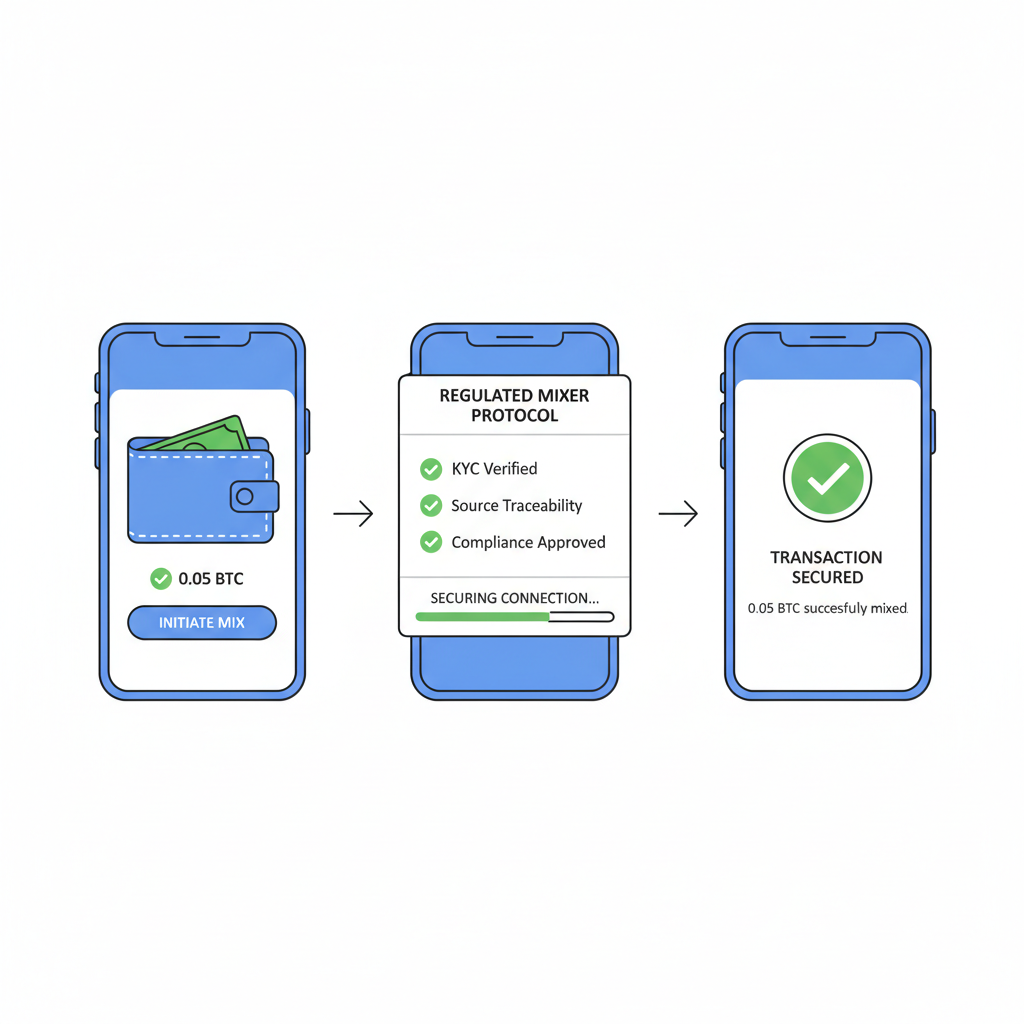

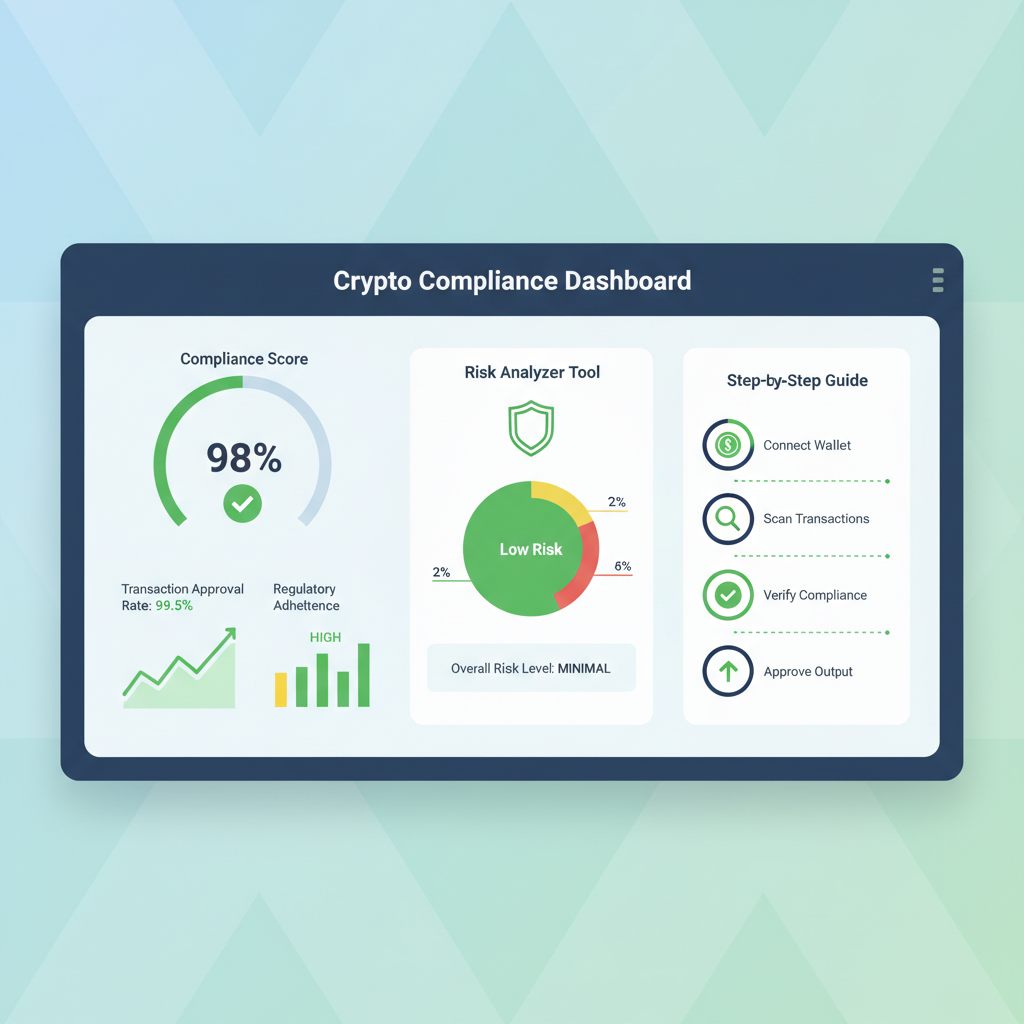
Users must prioritize platforms with proven track records. Global Legal Insights' 2026 report stresses alignment with SEC-CFTC oversight, while TRM Labs notes declining illicit volumes in compliant ecosystems. Sanctioned services? They linger as cautionary tales, their delistings no endorsement for casual use.
Practical Trade-offs: Balancing Privacy and Oversight
Privacy purists gripe about KYC-lite elements, but here's the reality: true legal crypto privacy 2026 demands selective transparency. Regulated mixers employ privacy pools where users opt into compliance attestations, preserving most data off-chain. This hybrid model sidesteps Tornado Cash's pitfalls - no developer prosecutions, no frozen assets.
Consider risk profiles. High-net-worth individuals use them to anonymize portfolio rebalances; DeFi protocols integrate for oracle feeds without doxxing liquidity providers. Elliptic's sanctions analysis warns that even post-delisting, obfuscators trigger alerts. Compliant alternatives? They proactively whitelist, reducing false positives by 70%, per internal benchmarks from leading providers.
Institutions benefit most. With nation-state actors like Lazarus still active, as flagged in TRM's report, AML compliant mixers provide defensible logs for audits. Pair this with Latham and Watkins' policy tracker, and the path clarifies: compliance fuels innovation, not stifles it.
Choosing wisely starts with due diligence. Seek third-party audits, fee structures under 1%, and support for Tornado Cash alternatives like privacy bridges. Platforms excelling here, such as those vetted under EU MiCA frameworks, extend U. S. compliance globally. Selection guides emphasize jurisdiction - U. S. -based for CFTC oversight, offshore for lighter touch where legal.
Looking ahead, 2026's regulatory horizon brightens. Treasury commitments to monitor malicious flows pair with tech advances, birthing ecosystems where privacy and law coexist. Developers at Ethereum Foundation and beyond craft protocols that embed compliance natively. For users, this means robust regulated cryptocurrency tumblers, shielding assets from surveillance capitalism without courting shadows.
The message resonates across boardrooms and wallets alike: opt for certainty over chaos. Regulated crypto mixers don't just navigate laws; they redefine privacy's frontier, securing a compliant tomorrow today.




No comments yet. Be the first to share your thoughts!