

In a landmark acknowledgment that reshapes the landscape of cryptocurrency privacy, the U. S. Treasury's March 2026 report to Congress under the GENIUS Act has validated the role of regulated crypto mixers for lawful users. After years of scrutiny and sanctions targeting tools like Tornado Cash in 2022, this shift recognizes that public blockchains expose too much, from personal wealth details to business transactions and charitable giving. Lawful individuals and organizations can now pursue financial privacy without fear of overreach, provided they choose compliant services.
This pivot isn't just rhetoric; it's a thoughtful evolution. The Treasury explicitly notes that mixers help shield sensitive information from blockchain's transparent nature, where every transaction lingers forever. For investors like me, who's navigated 18 years of market cycles, this reassures that privacy tools can coexist with accountability. Gone are the blanket condemnations; in their place, a nuanced framework distinguishing good actors from bad.
The GENIUS Act Report: A Policy Turning Point
The GENIUS Act, aimed at assessing illicit finance innovations, prompted this detailed Treasury assessment. Previously, mixers were painted broadly as enablers of crime, leading to sanctions that disrupted even innocent users. Now, the report concedes legitimate crypto privacy tools serve essential functions. It outlines how mixers obscure transaction trails on public ledgers, protecting users from doxxing, competitive espionage, or unintended disclosures.
Critically, the Treasury differentiates mixer types. Custodial mixers, run by centralized entities, must register as money services businesses with FinCEN, subjecting them to know-your-customer rules and reporting. Non-custodial ones, decentralized protocols, pose regulation challenges but aren't outright banned for lawful use. This distinction empowers users to select compliant Bitcoin mixers that align with crypto mixer regulations 2026.
Real-World Privacy Needs Driving Treasury's Shift
Consider a family office managing generational wealth: every transfer on Bitcoin's chain reveals holdings to rivals or hackers. Or a startup paying suppliers via USDT, where visibility invites poaching. Charitable donors risk unwanted publicity, deterring philanthropy. The Treasury report validates these scenarios, stating mixers offer privacy akin to cash or bank secrecy, vital in a digital age.
Yet balance remains key. The report flags persistent risks, citing North Korean hackers laundering billions stolen in 2024-2025 via mixers. It proposes 'hold laws' allowing asset freezes without notice in high-risk cases, threading the needle between privacy and security.
Custodial vs Non-Custodial Mixers
| Type | Regulation | Privacy Level | Compliance Requirements | Risks |
|---|---|---|---|---|
| Custodial | Heavily regulated: Must register with FinCEN as money services businesses (MSBs); subject to 'hold laws' | High: Protects sensitive info like personal wealth, business payments, charitable donations | Strict AML/KYC, transaction reporting, monitoring for illicit activity | Centralized vulnerabilities (e.g., hacks, surveillance); reduced illicit use due to oversight |
| Non-Custodial | Lightly regulated: Decentralized protocols, harder to enforce compliance | Highest: Strong anonymity without central authority | Minimal to none; user-dependent | High illicit finance risk (e.g., used by North Korean hackers for laundering billions in 2024–2025) |
For those prioritizing peace of mind, understanding the Treasury's mixer rule is step one. Regulated platforms like Regulated Mixers bridge this gap, offering audited, FinCEN-registered services that deliver anonymity without regulatory blind spots. As an investor, I view this as portfolio hygiene: diversify not just assets, but protection strategies too.
Why Regulated Mixers Outshine the Alternatives
In this new era of US Treasury crypto mixers approval, unregulated or decentralized options carry lingering stigma. Custodial services, by contrast, embed compliance from inception. They verify users, monitor flows, and report suspicious activity, earning the Treasury's implicit nod. Platforms adhering to these standards ensure your privacy pursuits stay lawful, sidestepping sanctions or freezes.
Take Regulated Mixers, for instance. These platforms prioritize regulated crypto mixers that undergo rigorous audits, integrate blockchain analytics for risk scoring, and maintain transparent operations. Users deposit funds, which get pooled and redistributed through compliant channels, emerging clean and private without the shadows of illicit use. This isn't a workaround; it's purpose-built for the lawful privacy the Treasury now endorses.
Empowering Investors with Compliant Privacy Tools
From my vantage point after nearly two decades steering portfolios through volatility, privacy isn't optional, it's foundational. Public blockchains turn your financial life into a glass ledger, where a single UTXO reveals salary negotiations or inheritance plans. Compliant Bitcoin mixers change that equation, letting you obscure origins while staying audit-ready. Businesses wire payroll in USDT without alerting competitors; high-net-worth individuals diversify holdings discreetly. The Treasury's nod validates this as smart risk management, not evasion.
Key Benefits of Regulated Mixers
- Privacy without compliance risks: Lawful users gain blockchain privacy for personal wealth, business, or donations, as recognized in the Treasury's 2026 GENIUS Act report, without regulatory violations.

- FinCEN registration: Custodial mixers register as Money Services Businesses with FinCEN, providing essential oversight for legitimate privacy services.
- Real-time risk monitoring: Built-in tools detect illicit activity instantly, reassuring users that privacy aligns with anti-money-laundering standards.
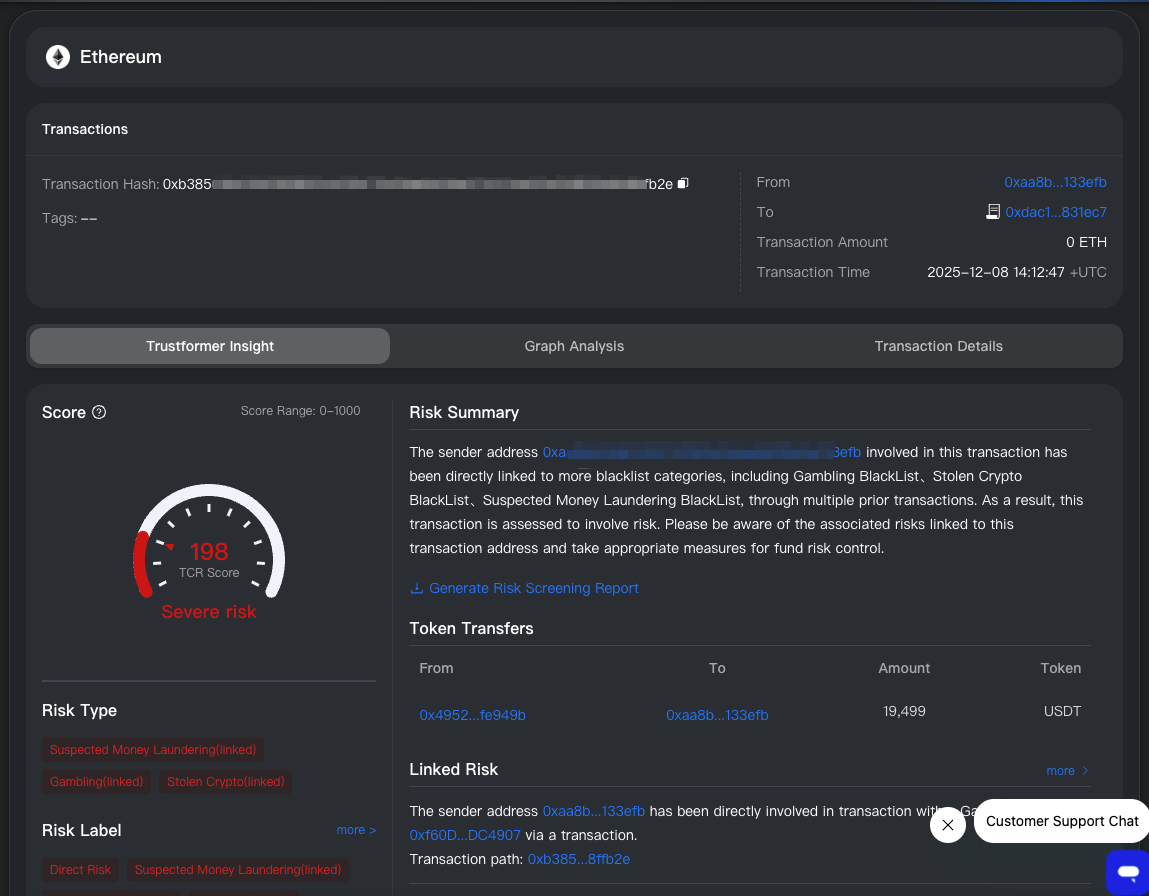
- Multi-chain support: Compatible with major assets like BTC, USDT, and ETH, enabling versatile, secure mixing across blockchains.

- Audited transaction flows: Independent audits ensure transparent, compliant processes, building trust in mixer operations.

Yet discernment matters. Not all 'regulated' labels hold water. Seek services with proven FinCEN MSB status, third-party attestations, and zero-tolerance for high-risk jurisdictions. This diligence mirrors stock picking: fundamentals first, hype second.
Crypto Mixer Regulations 2026: What Compliance Looks Like
The GENIUS Act report sketches a roadmap, urging 'hold laws' for suspected illicit flows while greenlighting lawful use. Custodial mixers lead here, as their centralized nature enables KYC, transaction tagging, and voluntary disclosures. Non-custodial alternatives, while innovative, invite scrutiny, regulators can't easily enforce reporting. For 2026, expect enhanced blockchain forensics to flag anomalies, pushing users toward vetted providers.
Selecting Compliant Mixers
| Feature | Why It Matters | Red Flags to Avoid |
|---|---|---|
| FinCEN Registration | Ensures legal oversight | Unverified claims |
| KYC Integration | Verifies user legitimacy | Anonymous-only access |
| Audit Reports | Proves clean operations | No public proofs |
| Supported Chains | Broad usability | Single-chain limits |
Regulated Mixers exemplifies this standard, blending cutting-edge obfuscation with regulatory adherence. Their model supports everything from personal holdings to institutional flows, all while feeding into the Treasury's balanced vision. Choosing a regulated crypto mixer starts with these benchmarks, safeguarding your assets in an era of heightened vigilance.
Reflect on the broader implications. This policy pivot signals crypto's maturation: privacy as a right, not a privilege for criminals. Lawful users gain tools once demonized, fostering adoption without the wild-west undertones. North Korea's exploits haven't vanished, but targeted measures like asset holds address them surgically, sparing the compliant majority.
Practical Steps for Privacy in Your Portfolio
Incorporate mixers thoughtfully. Allocate a privacy layer to 5-10% of holdings initially, testing flows with small amounts. Pair with hardware wallets and multi-sig for defense-in-depth. Monitor evolving rules via official channels, as 2026 regulations solidify. This disciplined approach, honed over market crashes and booms, builds resilience.
For families or firms eyeing legitimate crypto privacy tools, the payoff compounds. Shielded transactions deter threats, from tax snoopers to cyber opportunists. Philanthropy flows freer; negotiations stay confidential. It's the quiet edge that sustains wealth across generations.
As macro trends favor decentralized finance, regulated privacy becomes table stakes. Platforms like Regulated Mixers aren't just compliant; they're forward-thinking allies in your investment journey. Privacy protected, compliance secured, that's the portfolio I advocate building for tomorrow.




No comments yet. Be the first to share your thoughts!