

Check your state’s delivery status
Before launching a direct-to-consumer channel, verify that your state permits alcohol delivery and identify the primary regulatory body. The landscape changes annually, with 2026 legislation introducing stricter labeling requirements and shifting delivery permissions in several key markets. For mixer brands, navigating these state-specific rules is the first step in ensuring compliance.
Start by identifying your state’s Alcoholic Beverage Control (ABC) board. This agency sets the rules for who can ship, who can receive, and how packages must be handled. In some states, only licensed retailers may deliver, while others allow producers to ship directly to consumers. For example, Indiana permits licensed liquor dealers to deliver to residences and offices, but strict container rules apply. In South Carolina, recent bills have focused on restricting who can deliver and where, highlighting the need to check current statutes.
Once you identify the regulator, look for two specific permissions:
- Direct-to-Consumer (DTC) Shipping: Does the state allow producers to ship directly to consumers? This is distinct from retailer delivery.
- Third-Party Delivery: If you use a platform like Drizly or Uber Eats, does the state allow these platforms to transport alcohol, or must it go through licensed retailers?
Many states require age verification at the point of delivery. Ensure your logistics plan includes a process for the courier to scan IDs and refuse delivery to minors. Failure to comply can result in fines, license suspension, or criminal charges. Keep a record of your state’s current laws and update your compliance checklist whenever new bills are passed, such as the Alcoholic Beverages Modernization Act trends seen in 2026.
Verify container and package rules
Before launching alcohol delivery, you must ensure every mixer package meets the physical constraints mandated by 2026 regulatory updates. These rules focus on volume limits and seal integrity to prevent diversion and ensure safety during transit. Non-compliant packaging is the fastest way to trigger a license suspension.
Follow this sequence to verify your packaging against current state laws:

In Texas, the Alcoholic Beverage Commission requires distilled spirits to be in containers that do not exceed 750 milliliters. If you stock larger formats, they are prohibited from delivery unless specifically exempted under new local ordinances. Check your inventory against these caps immediately.
Packages must arrive in unbroken, sealed containers. Any tampered seal or open bottle is a regulatory violation. Inspect your warehouse workflow to ensure that packaging materials maintain integrity from the moment the order is packed until it reaches the customer’s door.
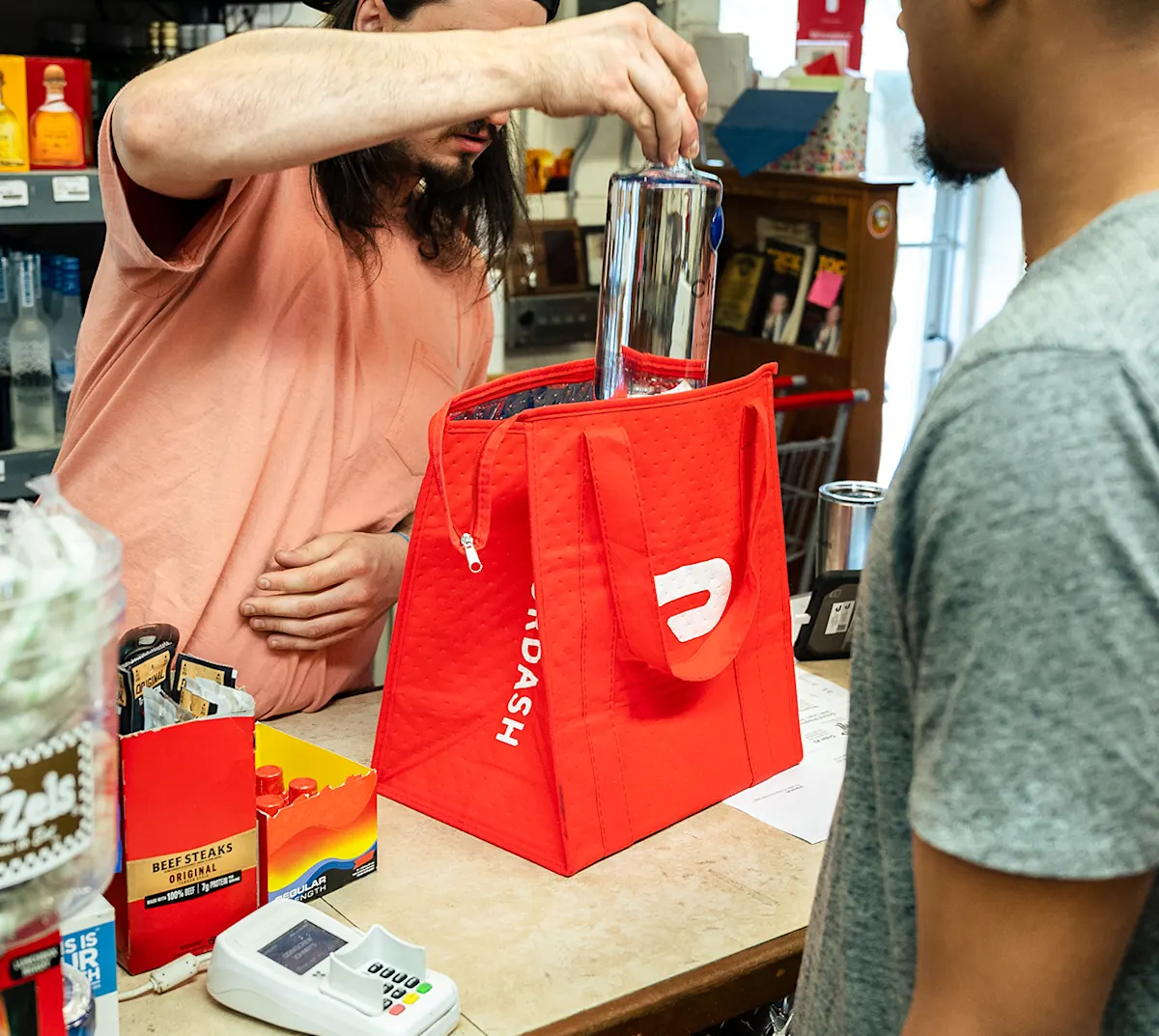
Illinois’ Alcoholic Beverages Modernization Act of 2026 (Public Act 104-0451) introduces new standards for retail establishments. Verify that your mixer brands align with the updated Class A license requirements for off-premises consumption, which may affect how you label and bundle products for delivery.
Failure to adhere to these physical constraints can result in significant fines. Always refer to the official TABC guidelines and Illinois ABC updates for the most current requirements. Keep your compliance documentation accessible for any routine audits.
Update tax calculations for 2026
Alcohol delivery regulations for 2026 introduce new tax structures that directly impact mixer brand pricing and compliance. The Alcoholic Beverages Modernization Act of 2026 allows certain retail establishments to obtain a Class A license, which permits the sale of beer and wine for off-premises consumption. This shift requires brands to recalibrate their tax calculations for delivery orders.
Chicago has implemented a 1.5% retail tax on alcoholic beverages purchased for delivery, effective March 1, 2026. This change affects the final price customers see at checkout and requires brands to update their point-of-sale systems. Other markets may follow similar trends, so staying informed about local tax changes is essential.
To stay compliant, brands must update their tax calculation software to reflect these new rates. This includes adjusting for both state and local taxes, as well as any new delivery-specific fees. Failure to do so could result in penalties or incorrect pricing for customers.
The table below compares pre-2026 and 2026 tax obligations for key markets like Illinois and Texas. Use this as a reference to ensure your pricing models are accurate.
| Market | Pre-2026 Tax | 2026 Tax | Compliance Impact |
|---|---|---|---|
| Illinois (Chicago) | Standard retail tax | 1.5% delivery tax | High |
| Texas | No delivery tax | Standard retail tax | Low |
| Indiana | Limited delivery | Licensed delivery allowed | Medium |
Select a licensed third-party carrier
Finding a delivery partner that holds the necessary 2026 licenses is the first step in expanding your mixer brand’s reach. With new legislation in states like Illinois and Indiana opening the door for third-party alcohol delivery, the market is shifting rapidly. You must ensure your carrier is fully compliant with local off-premises consumption laws to avoid severe penalties.
Start by verifying that the carrier holds a valid Class A license or equivalent permit for off-premises sales in your target jurisdictions. In Illinois, for example, recent bipartisan laws have made cocktails-to-go permanent and explicitly allowed third-party services to deliver alcohol, provided they adhere to strict retailer rights and container standards [src-serp-7]. In Indiana, licensed liquor dealers are permitted to deliver to residences and offices, but only in permissible containers [src-serp-2].
Do not assume a general food delivery app is automatically authorized to transport alcohol. Many platforms operate under separate agreements or lack the specific liquor control permits required for your region. Cross-reference the carrier’s license number against your state’s ABC board database. This verification protects your brand from liability and ensures a seamless customer experience from order to delivery.
Run a compliance audit before launch
Before you activate your delivery channels, conduct a final compliance audit to ensure your digital and physical operations meet the new 2026 regulatory standards. This verification step prevents costly shutdowns and protects your brand from liability.
1. Verify licensing and permit alignment
Cross-reference your current operating licenses against the latest state updates, such as Public Act 104-0451, which takes effect July 1, 2026. Ensure your permits explicitly cover digital ordering and third-party delivery logistics, as municipal authority over these areas has shifted [1].
Review your carrier contracts and internal checklists to confirm that all alcohol delivery regulations are met. Verify that your packaging, age-verification software, and driver training protocols align with the specific requirements of the states where you operate. This step ensures that every touchpoint, from checkout to doorstep, complies with current law.
2. Finalize tax and reporting structures
Confirm that your point-of-sale system correctly calculates and remits excise taxes for each jurisdiction. New regulations often introduce granular reporting requirements for digital transactions. Set up automated alerts for any changes in local tax rates or reporting deadlines to avoid penalties.
3. Validate carrier and driver credentials
Ensure all delivery partners hold valid permits for alcohol transport. Re-check driver background checks and training certifications, as some jurisdictions require specific endorsements for alcohol delivery drivers. Maintain a digital log of these credentials for easy retrieval during regulatory inspections.
No comments yet. Be the first to share your thoughts!