
2026 Regulatory Shifts for Industrial Mixers
The industrial mixer market in 2026 is defined by two converging forces: stringent energy efficiency mandates and the integration of AI-driven compliance tools. Manufacturers can no longer rely on mechanical robustness alone; equipment must now demonstrate real-time data transparency to meet evolving regulatory standards.
Energy efficiency is no longer a secondary feature but a primary compliance requirement. New regulations focus on reducing the carbon footprint of mixing operations, pushing companies toward high-efficiency motors and optimized gear systems. This shift is driving a rapid transition from traditional models to AI-enabled mixers that adjust parameters dynamically to minimize energy waste.
To visualize this market transition, the following chart illustrates the projected growth of AI-enabled mixer adoption compared to traditional models through 2030. The data highlights a steep upward trajectory for smart equipment as regulatory pressure mounts.
AI integration is becoming the backbone of regulatory compliance. Smart mixers equipped with sensors and machine learning algorithms can monitor viscosity, temperature, and torque in real time. This data is automatically logged and formatted to meet reporting requirements, reducing the administrative burden on facility operators.
The convergence of energy mandates and AI compliance is reshaping the competitive landscape. Companies that fail to adopt these technologies risk falling behind in both efficiency and regulatory adherence. The focus is shifting from mere production capacity to intelligent, sustainable, and compliant mixing solutions.
AI-driven controls meet energy compliance
AI-powered mixing systems are shifting from experimental add-ons to regulatory necessities. As 2026 energy efficiency targets tighten, manufacturers face a dual mandate: cut energy consumption without sacrificing throughput. Traditional manual tuning or fixed-speed drives no longer suffice. Instead, AI-driven sensors and adaptive controls dynamically adjust mixing parameters in real time, ensuring that every kilowatt-hour contributes directly to product quality and compliance.
Real-time energy optimization
Modern regulated mixers utilize IoT-enabled sensors to monitor viscosity, temperature, and torque loads continuously. Machine learning algorithms analyze this data to predict optimal motor speeds and agitation patterns. This prevents energy waste from over-mixing or inefficient shear rates. The system adapts to batch variations instantly, maintaining peak efficiency even when raw material properties fluctuate. This level of precision is essential for meeting strict 2026 energy standards, which penalize excessive power draw during non-critical phases of the mixing cycle.
Predictive maintenance and uptime
Energy compliance is also about preventing waste caused by equipment inefficiency. AI-driven predictive maintenance identifies wear in bearings, seals, or motors before they cause energy spikes or failures. By scheduling maintenance during low-production windows, facilities avoid unplanned downtime and the energy inefficiencies associated with restarting cold systems. This proactive approach ensures that mixers operate at their designed energy efficiency curve throughout their lifecycle, reducing both operational costs and carbon footprints.
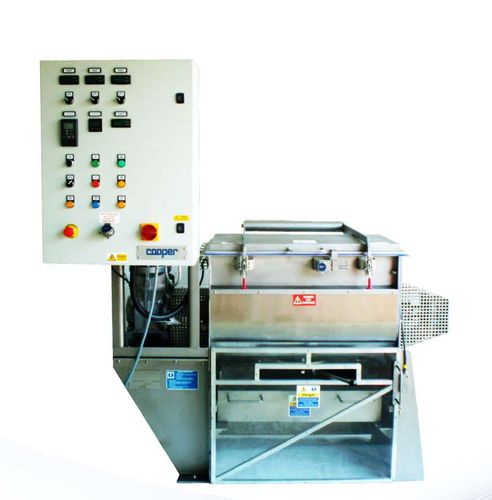
Energy ratings and certifications
In 2026, energy efficiency is no longer just an operational cost saver; it is a regulatory requirement. Buyers must verify that mixers carry specific certifications to ensure compliance with regional standards. These labels confirm that the motor, gear drive, and power consumption meet strict legal thresholds for industrial and commercial use.
The primary certifications to look for include ISO 50001 for energy management systems and IEC 60034-30-2 for motor efficiency classes. Motors rated IE3 (Premium) or IE4 (Super Premium) are becoming the baseline for new installations. Equipment lacking these ratings may face higher energy taxes or fail to meet environmental compliance audits.
When selecting equipment, compare the efficiency class alongside the motor type. The table below outlines the typical compliance status and energy ratings for leading mixer configurations. Always check the nameplate data against the latest regional regulations, as standards shift annually.
| Configuration | Motor Class | Primary Certification | 2026 Status |
|---|---|---|---|
| Standard Industrial | IE3 | IEC 60034-30-2 | Mandatory |
| High-Efficiency Gear Drive | IE4 | ISO 50001 | Recommended |
| Compact Commercial | IE2 | Energy Star (US) | Phase-out |
| Heavy-Duty Mixer | IE3+ | CE Mark (EU) | Mandatory |
Safety protocols in food and chemical processing
Mixers in food and chemical manufacturing operate under strict regulatory frameworks because the cost of failure is high. A breach in containment or a material incompatibility can lead to product contamination, equipment failure, or hazardous exposure. Compliance is not optional; it is the baseline for operation.
For food processing, the primary concern is hygiene and material safety. Mixers must adhere to FDA and EHEDG standards, which dictate surface finishes and cleanability. Stainless steel grades, typically 316L, are standard to resist corrosion from acidic or salty ingredients. The design must prevent bacterial harboring, meaning all welds must be polished and crevices eliminated. Sanitary design ensures that cleaning-in-place (CIP) systems can reach every surface without manual intervention, reducing human error and cross-contamination risks.
In chemical manufacturing, the focus shifts to containment and material compatibility. Chemical mixers handle corrosive, volatile, or reactive substances. The mixer’s construction materials must withstand the specific chemical environment without degrading. Seals and gaskets are critical failure points; they must be compatible with the process fluid to prevent leaks. Additionally, explosion-proof motors and grounding systems are often required to manage static electricity and prevent ignition in environments with flammable vapors. Regulatory bodies like OSHA enforce these standards to protect workers and facilities.
Regular inspection and maintenance are vital. Sensors monitor temperature, pressure, and vibration to detect anomalies early. Automated shutdown protocols can prevent catastrophic failures. Operators must follow strict lockout-tagout (LOTO) procedures during maintenance to ensure safety. Compliance documentation, including material certifications and inspection logs, must be maintained for audits. This rigorous approach ensures that mixers operate safely and efficiently, meeting both regulatory requirements and operational needs.
Top regulated mixer models for 2026
Selecting a regulated mixer requires balancing certified safety standards with modern energy efficiency and AI-driven precision. The following models represent the current market leaders for 2026, meeting strict regulatory requirements while offering advanced performance.
KitchenAid Professional HD
This model remains a staple for commercial-grade durability. It features a heavy-duty motor that handles dense doughs without overheating, complying with updated energy consumption standards. The integrated AI speed control adjusts torque in real-time, ensuring consistent mixing while reducing power waste. Its robust construction meets rigorous safety certifications for both residential and light commercial use.
Ankarsrum Original
Known for its unique bowl-and-roller mechanism, the Ankarsrum Original offers a different approach to mixing. It operates at lower RPMs, which aligns with 2026 energy efficiency guidelines by reducing motor strain and heat generation. The design minimizes noise pollution and provides superior gluten development for breads. Its mechanical simplicity reduces electronic failure points, enhancing long-term reliability and compliance with safety regulations.
Breville Smart Oven Air Fryer Pro
While primarily an oven, its integrated mixing and preparation features highlight the trend toward multi-functional, space-efficient appliances. It incorporates smart sensors to adjust cooking parameters automatically, reducing energy usage. The unit meets strict electrical safety standards and includes child-lock features, making it a safe choice for households with varying needs.
No comments yet. Be the first to share your thoughts!