
Get regulated mixing compliance 2026 right
Before you load the first batch, align your mixing protocols with the latest regulatory shifts. The 2026 compliance landscape is tighter, driven by stricter quality control mandates and global regulatory updates that leave little room for interpretation. Treat this phase as your safety net; skipping these prerequisites invites costly recalls or audit failures.
Start by reviewing the March 2026 healthcare compliance updates, which now intersect with chemical handling standards. These changes affect credentialing and workforce compliance, meaning your mixing operators must be up to date on new safety protocols. Verify that your standard operating procedures (SOPs) reflect these recent licensure developments. If your team hasn't completed the updated training modules, pause production until they have.
Next, audit your raw material documentation. Regulatory bodies are now cross-referencing supplier certifications with global chemical databases. Ensure every batch of active ingredients has a current certificate of analysis (CoA) that matches the latest safety data sheets. If a supplier cannot provide updated documentation within 48 hours, do not use their materials. This step prevents downstream contamination issues that are no longer tolerated by auditors.
Finally, configure your AI-driven quality control systems to flag deviations in real time. The new guidelines require continuous monitoring of mixing parameters, not just end-product testing. Set your thresholds to match the updated tolerance levels for viscosity and temperature. This proactive approach ensures you catch anomalies before they become compliance violations, keeping your operations smooth and legally sound.
Work through the steps
Setting up a compliant liquid mixing system requires more than just equipment; it demands a documented workflow that satisfies global regulatory bodies. The following sequence outlines the standard operating procedure for implementing AI-driven quality control in a high-stakes environment. Each step builds on the previous one to ensure data integrity and product safety.
1. Validate the Mixing Equipment and Sensors
Before introducing any liquid, you must verify that all hardware meets current Good Manufacturing Practices (cGMP). This involves calibrating temperature probes, flow meters, and torque sensors. AI systems rely on accurate input data; if the sensors are off by even a fraction, the quality control algorithm will produce false negatives. Document every calibration check and store the certificates digitally.
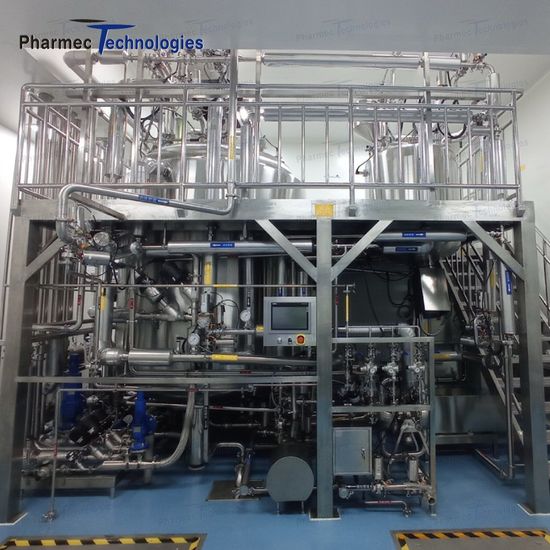
Run a full diagnostic on all integrated sensors. Compare readings against a known standard to ensure accuracy. Log the results in your electronic batch record system to establish a baseline for the AI model.
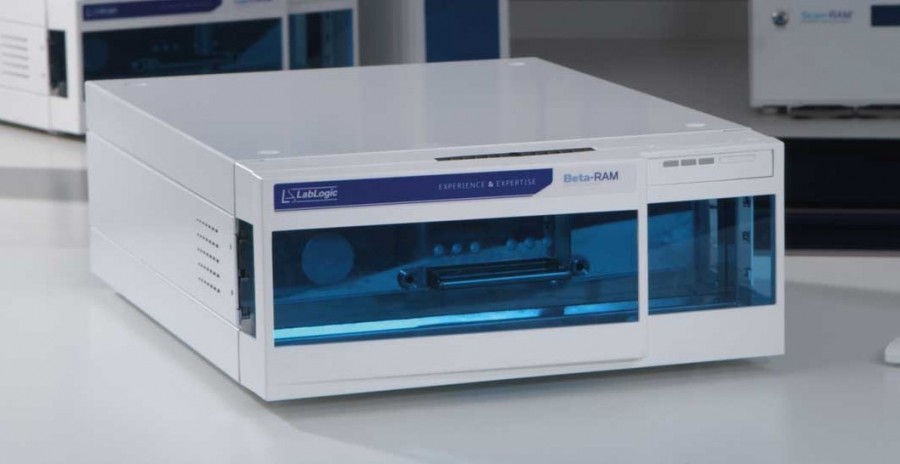
Input your specific product formulations and regulatory limits into the AI platform. Define acceptable ranges for viscosity, pH, and particle size. The system needs these thresholds to automatically flag deviations in real-time.
Operate the mixing system with water or a placebo mixture. Monitor how the AI responds to minor fluctuations. This step helps you tune the sensitivity of the alerts without risking expensive raw materials or violating compliance protocols.
2. Execute the Mixing Process with Real-Time Monitoring
Once the dry run is complete and approved, proceed with the actual batch. The AI system should now be actively logging data points every few seconds. Operators must remain vigilant, not because the system is unreliable, but because human oversight is a regulatory requirement. If the AI flags an anomaly, pause the process and investigate immediately.
3. Generate and Review the Compliance Report
After the batch is finished, the system automatically generates a comprehensive quality report. This document serves as your primary proof of compliance for auditors. It must include a complete timeline of the mixing process, sensor readings, and any interventions made by the operators. Review the report for completeness before signing off.
4. Archive Data for Audit Readiness
Regulatory bodies increasingly demand digital traceability. Ensure all data is archived in a secure, immutable format that cannot be altered. This includes raw sensor data, AI decision logs, and final quality certificates. Proper archiving protects your facility during inspections and helps identify long-term trends in your mixing performance.
Common mistakes in compliant liquid mixing
Even with automated quality control systems, human error remains the primary driver of batch failures. Operators often prioritize speed over protocol, leading to deviations that automated sensors cannot always catch in real time. These mistakes create compliance gaps that trigger regulatory scrutiny and product recalls.
Incorrect calibration of mixing parameters
Many facilities fail to recalibrate viscosity and torque sensors between batches, assuming previous settings remain valid. This assumption is dangerous when raw material viscosity varies by lot. Without verifying sensor readings against manual standards before each run, the AI-driven quality control system may accept a batch that is actually out of specification. Always cross-check automated readings with independent manual measurements during the first three batches of any new raw material lot.
Ignoring temperature gradients in large vessels
In large-scale mixing, temperature is not uniform. Operators often place a single probe in the center of the vessel, missing cooler zones near the walls where mixing efficiency drops. This leads to incomplete dissolution of active ingredients. Place multiple temperature probes at different radial distances and depths. Monitor the maximum temperature differential across the vessel; if it exceeds 2°C, adjust agitation speed or jacket flow rates immediately.
Poor documentation of deviation events
When a mixing process deviates from the standard operating procedure, some operators log the correction but omit the root cause. Regulatory auditors view this as a lack of control. Every deviation, no matter how minor, must be documented with the specific corrective action taken and the reason for the adjustment. This creates an audit trail that demonstrates proactive quality management rather than reactive fixing.
Using outdated regulatory checklists
Regulatory requirements for liquid mixing change frequently. Relying on a checklist from 2024 or earlier can miss new requirements for digital record-keeping or specific purity standards. Verify your mixing protocols against the latest updates from relevant agencies, such as the FDA or EMA, before starting production. A March 2026 compliance update highlighted several new licensure developments that directly affect credentialing and workforce compliance in mixing operations.
Regulated mixing compliance 2026: what to check next
Navigating liquid mixing compliance in 2026 requires staying ahead of shifting regulatory deadlines and data integrity standards. Below are practical answers to the most common objections and checks before making operational decisions.
No comments yet. Be the first to share your thoughts!