
Define mixer scope and regulations
Verify Regulated Mixers for Compliance works best as a clear sequence: define the constraint, compare the realistic options, test the tradeoff, and choose the path with the fewest hidden costs. That order keeps the advice usable instead of decorative.
After each step, pause long enough to check whether the recommendation still fits the reader's actual situation. If it depends on perfect timing, unusual access, or a best-case budget, include a simpler fallback.
The simplest way to use this section is to write down the real constraint first, compare each option against it, and choose the path that still works outside ideal conditions.
Check physical safety interlocks
Regulated mixers rely on mechanical interlocks to prevent accidental contact with moving agitators. These devices cut power the moment a cover or enclosure is opened, serving as the primary physical barrier for operator safety. Verification of these interlocks is a mandatory step in compliance audits.
Follow this sequence to test the interlock functionality:
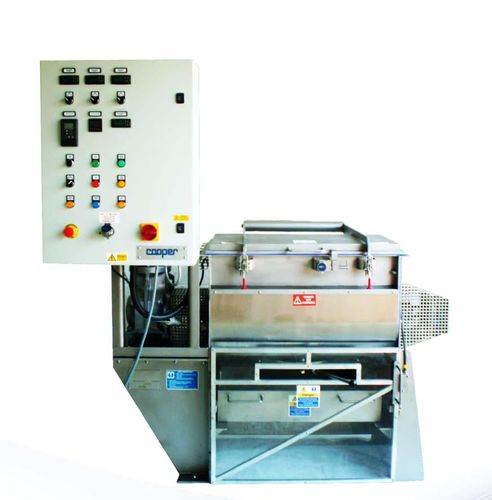
Examine the cover or enclosure for secure mounting. Ensure the interlocking device is physically engaged when the cover is closed. Look for signs of tampering, wear, or damage to the latch that could prevent proper engagement.
With the mixer empty and disconnected from any process material, open the cover while the system is in a standby or low-power state. The agitators must stop immediately. If the motor continues to run, the interlock is faulty and the mixer is non-compliant.
Close the cover completely. Attempt to start the mixer. The power should only engage when the interlock confirms the cover is fully secured. If the mixer starts with the cover open, or fails to start when closed, the safety circuit requires immediate repair.
California Code of Regulations, Title 8, Section 4542 mandates that horizontal food mixers have a cover or enclosure with an interlocking device arranged so that power cannot be applied to the agitators when the cover is open. This regulation underscores the critical nature of these physical safeguards in industrial settings. Always refer to the specific jurisdictional codes applicable to your facility for detailed compliance requirements.
Verify material contact standards
Before finalizing a mixer selection, you must confirm that every component touching the product meets the relevant food-grade or chemical-resistant standards. This verification protects against contamination and ensures regulatory compliance. The primary keyword phrase for this section is food-grade mixer components. These materials must withstand the specific chemicals, temperatures, and abrasion of your process without degrading or leaching substances.
Start by identifying the contact surfaces: blades, paddles, bowls, and seals. Check the manufacturer’s specifications against your product’s chemical profile. For food applications, look for FDA compliance or equivalent local standards. For industrial chemicals, verify resistance to corrosion and permeation. Always request material safety data sheets (MSDS) or certificates of conformance from the supplier.
Use the table below to compare common material grades and their typical applications. This comparison helps you select the right mixer components for your specific regulatory environment.
| Material Grade | Food Contact | Chemical Resistance | Typical Application |
|---|---|---|---|
| 304 Stainless Steel | Yes (FDA) | Moderate | General food processing, dairy |
| 316L Stainless Steel | Yes (FDA) | High | Pharmaceuticals, acidic foods, harsh cleaning |
| PTFE (Teflon) | Yes (FDA) | Very High | Seals, gaskets, non-stick coatings |
| Silicone | Yes (FDA) | Moderate | Gaskets, flexible seals, low-heat applications |
Review maintenance and documentation
Regulatory audits for mixers focus on proof of maintenance, not just current condition. Inspectors verify that every inspection, repair, and safety test is recorded in a permanent log. If a mixer has a defect but the record shows it was repaired and cleared, the operation remains compliant. Missing logs are treated as an admission that no maintenance occurred.
Keep a dedicated binder or digital file for each mixer. Log every event, including minor adjustments to interlocks or guards. For horizontal food mixers, state regulations require covers with interlocking devices that cut power to agitators when open. Document every test of this interlock. If the device fails, tag the mixer out of service immediately and record the repair.
Operator training records are equally important. Document who operates the machine and when they received safety instruction. This proves that personnel understand the interlocking mechanisms and emergency stops. When an inspector requests records, provide the complete history from the date of installation. Incomplete files create liability gaps that regulators do not overlook.
-
Log every inspection date, inspector name, and findings
-
Record all repairs, replaced parts, and re-testing results
-
Document operator training sessions and competency assessments
-
Store records digitally or in a physical binder for easy audit access
Avoid Common Compliance Mistakes
Bypassing safety interlocks or using non-compliant materials are frequent causes of regulatory violations. These errors often stem from convenience rather than malice, but the penalties remain strict. Operators must treat safety features as non-negotiable components of the mixing process, not optional accessories.
Tampering with Safety Interlocks
Horizontal food mixers require covers with interlocking devices that prevent power from applying to agitators when the enclosure is open. State safety standards mandate this design to protect workers from moving parts. Removing or disabling these locks violates safety standards and exposes operators to severe liability. Always verify that interlocks engage automatically when the cover is closed.
Using Non-Compliant Materials
Materials contacting food must meet specific sanitation and durability standards. Using non-compliant components can lead to contamination risks and regulatory citations. Ensure all parts are certified for food contact and withstand cleaning protocols without degrading. Regular inspections help identify wear that might compromise material integrity.
Ignoring Documentation
Maintaining records of safety checks and material certifications is essential. Documentation proves compliance during audits and helps trace issues back to their source. Keep logs updated and accessible for review. Failure to document can result in fines even if the physical equipment is compliant.
No comments yet. Be the first to share your thoughts!