
2026 regulatory shifts for functional beverages
The regulatory landscape for functional beverages is tightening significantly as the FDA implements stricter oversight on novel ingredients and labeling claims. The term "regulated mixers 2026" reflects this heightened scrutiny, moving beyond general wellness trends to focus on specific compliance requirements for ingredients like CBD, nootropics, and adaptogens.
For beverage manufacturers, the primary challenge lies in aligning with FDA food safety guidelines and TTB labeling regulations. The agency is placing greater emphasis on substantiating health claims, requiring robust scientific evidence before any functional benefit can be stated on packaging. This shift demands a more rigorous approach to ingredient sourcing and formulation documentation.
Key areas of focus include the verification of novel food additives and the clarity of dosage information. Manufacturers must ensure that their products comply with the latest guidance on dietary supplements and food additives, particularly when combining traditional functional ingredients with emerging compounds. Failure to adhere to these updated standards can result in warning letters, product seizures, or mandatory reformulation.
Staying ahead of these regulatory changes requires proactive monitoring of official FDA announcements and industry guidance documents. Companies should prioritize transparency in their labeling practices and maintain detailed records of ingredient provenance and safety testing. This approach not only ensures compliance but also builds consumer trust in an increasingly competitive market.
CBD mixer legality and compliance standards
The regulatory environment for CBD beverages remains constrained by the Food and Drug Administration’s longstanding position on cannabinoids. The FDA continues to prohibit the addition of CBD to interstate food and beverage commerce without specific approval. This stance effectively blocks most brands from legally marketing CBD-infused drinks as conventional food or dietary supplements under current federal law.
For 2026 product launches, this prohibition creates a significant compliance barrier. Manufacturers cannot rely on the general safety of hemp-derived ingredients to bypass federal oversight. The agency maintains that adding CBD to food or beverages constitutes an unapproved new food additive, regardless of the source's legality under the 2018 Farm Bill. This creates a disconnect between state-level hemp laws and federal food safety regulations.
Clarification on the FDA's prohibition of adding CBD to interstate food and beverage commerce without specific approval.
Brands operating in this space must manage a complex landscape where state laws may permit hemp cultivation and sale, but federal law restricts its use in consumable products. The TTB also plays a role in alcoholic beverages, requiring pre-market approval for any new ingredients. Companies launching CBD mixers in 2026 must prioritize strict compliance strategies, often limiting distribution to states with specific hemp beverage frameworks or focusing on non-consumable applications to mitigate federal enforcement risks.
Functional ingredient labeling requirements
As the 2026 regulatory landscape solidifies, beverage manufacturers must manage a complex intersection of FDA and TTB guidelines. The core challenge lies in correctly classifying functional additives, which determines whether a product falls under the Federal Food, Drug, and Cosmetic Act (FD&C Act) as a conventional food or beverage, or under the Dietary Supplement Health and Education Act (DSHEA).
Misclassification is the primary driver of warning letters. A mixer containing adaptogens or nootropics must clearly display the appropriate panel—Nutrition Facts for conventional foods or Supplement Facts for dietary supplements. The distinction dictates not only the format of the label but also the permissible health claims and the regulatory oversight applied by the FDA.
Health claims are heavily restricted. Structure/function claims, which describe the role of a nutrient or dietary ingredient in affecting the normal structure or function of the human body, are permitted for supplements but require a disclaimer stating that the FDA has not evaluated the claim. Disease claims, which suggest the product treats or prevents a specific disease, are prohibited for both foods and supplements without new drug approval.
The table below outlines the structural differences between the two mandatory labeling panels to help manufacturers avoid compliance errors.
Alcohol-free spirits and beverage classification
The classification of alcohol-free spirits and non-alcoholic mixers sits at the intersection of FDA food safety regulations and the Alcohol and Tobacco Tax and Trade Bureau (TTB) labeling standards. For 2026 formulations, the primary distinction hinges on the alcohol by volume (ABV) threshold. Products containing less than 0.5% ABV are generally classified as non-alcoholic by the TTB, allowing them to be regulated primarily as food products under the FD&C Act.
However, the regulatory landscape shifts if a product contains more than 0.5% ABV. In these cases, the TTB asserts jurisdiction, requiring a Certificate of Approval (COLA) for labeling and compliance with specific tax and duty regulations. This dual-regulation environment means that manufacturers must carefully document their production processes to prove that alcohol content remains below the federal non-alcoholic threshold, or prepare for the stricter TTB oversight.
The FDA’s role focuses on ingredient safety and labeling accuracy. Ingredients used in alcohol-free spirits, including botanicals, flavorings, and preservatives, must be Generally Recognized as Safe (GRAS). Mislabeling a product as "alcohol-free" when it exceeds the 0.5% ABV limit can result in FDA enforcement actions for misbranding. Clear, accurate labeling is essential to avoid consumer confusion and regulatory penalties.
As the market for alcohol-free options expands, the FDA and TTB are expected to refine their guidance to address novel ingredients and production methods. Manufacturers should monitor updates from both agencies to ensure their 2026 formulations remain compliant. Proactive engagement with regulatory experts can help manage the complexities of this evolving framework.
Compliance checklist for 2026 mixer brands
Launching a functional or CBD-infused beverage mixer in 2026 requires managing a complex intersection of FDA food safety regulations and TTB labeling standards. Brands must verify that their formulations, manufacturing processes, and marketing claims align with the latest guidance documents before entering the market.
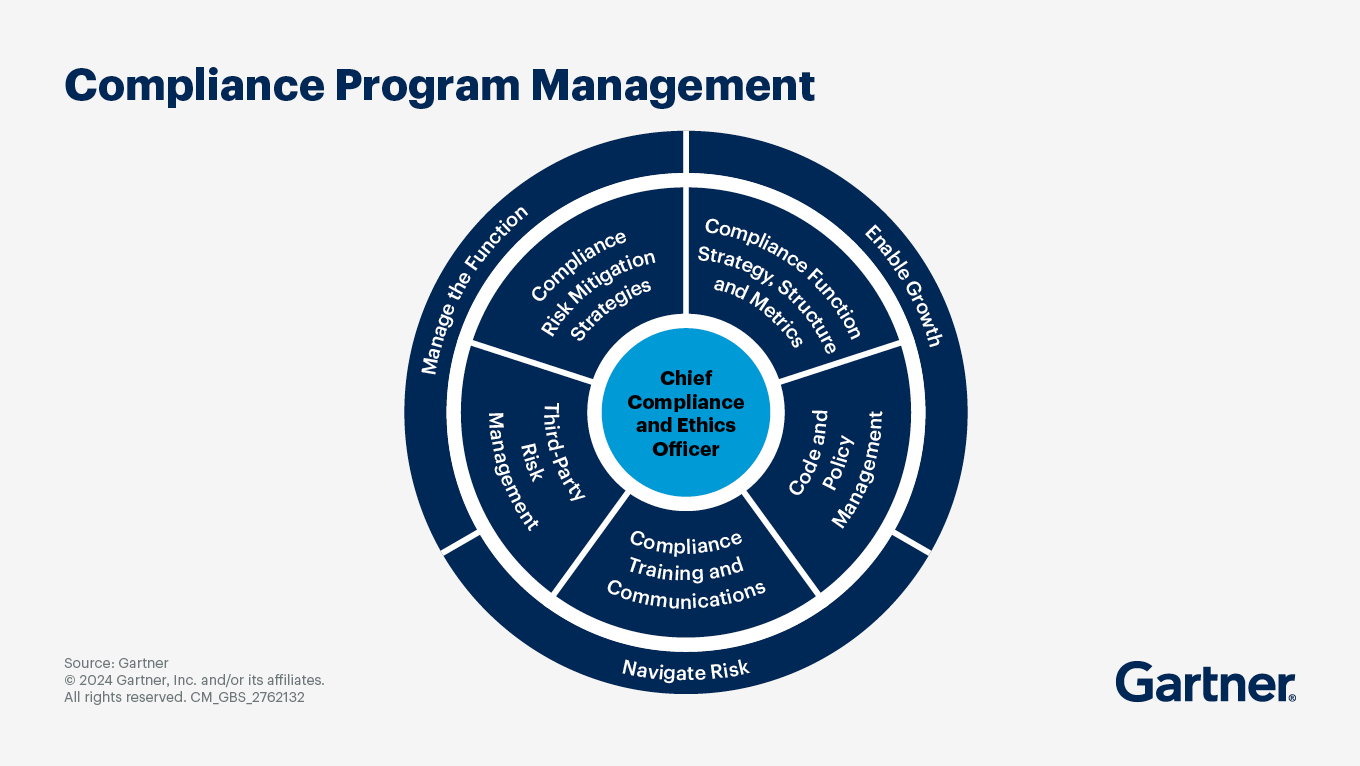
Ensure every active ingredient, including CBD isolates and functional additives, has Generally Recognized as Safe (GRAS) status or FDA approval for the intended use. Review the latest FDA guidance on novel food ingredients to confirm your formulation does not contain prohibited substances or unapproved health claims.
The Alcohol and Tobacco Tax and Trade Bureau (TTB) requires specific labeling elements for alcoholic beverages, including statement of identity, alcohol content, and health warnings. If your mixer contains alcohol or is marketed in conjunction with alcoholic beverages, ensure your label meets 27 CFR Part 7 requirements.
Obtain Certificate of Analysis (COA) reports from independent laboratories for every batch. These reports must verify cannabinoid potency, confirm the absence of heavy metals, pesticides, and residual solvents, and ensure microbial safety. Keep these records accessible for potential FDA or state inspections.

Avoid disease-treatment claims or unapproved structure/function claims that would classify your product as an unapproved drug. Stick to factual descriptions of ingredients and their intended sensory or functional benefits without making medical promises. Review all digital and physical marketing materials against current FDA enforcement guidelines.

Implement a robust traceability system that tracks ingredients from supplier to finished product. Maintain detailed records of manufacturing processes, quality control checks, and distribution channels. This documentation is critical for responding to FDA inquiries or managing product recalls efficiently.
These steps form a baseline for 2026 compliance. Regulations evolve rapidly, so brands should consult with legal counsel specializing in food and beverage law to ensure ongoing adherence to federal and state requirements.
Common questions about mixer regulations
Compliance with 2026 FDA rules requires precise attention to ingredient sourcing and labeling for functional and CBD mixers. Manufacturers must distinguish between dietary ingredients and novel food additives to avoid regulatory action.
Is CBD legal in functional beverages under 2026 FDA rules?
The FDA maintains that adding CBD to food or dietary supplements, including beverages, violates the Federal Food, Drug, and Cosmetic Act. Despite state-level allowances, the federal prohibition remains active, and products containing CBD face enforcement risks unless they meet specific grandfathered ingredient criteria.
What labeling requirements apply to functional mixers?
Labels must accurately list all ingredients and comply with FDA nutrition labeling standards. Claims about health benefits are strictly regulated; structure/function claims require disclaimers, while disease claims are prohibited without drug approval. Transparency in CBD concentration and source is essential for consumer trust and regulatory compliance.
How does the TTB regulate alcohol-based functional mixers?
For alcoholic beverages, the Alcohol and Tobacco Tax and Trade Bureau (TTB) oversees labeling and ingredient approval. Functional additives in alcohol must be pre-approved, and any health-related claims are subject to stricter scrutiny to prevent misleading consumers about the product's effects or safety.
No comments yet. Be the first to share your thoughts!