
What makes a mixer regulated
A regulated mixer is industrial equipment built to meet specific federal and industry safety standards, distinguishing it from consumer-grade appliances. In commercial kitchens and food processing plants, these machines handle heavy doughs, large volumes, and hazardous moving parts. Compliance isn't just about performance; it is about preventing catastrophic injury.
The primary regulatory bodies are OSHA (Occupational Safety and Health Administration) and ANSI (American National Standards Institute). OSHA enforces general workplace safety under standards like 29 CFR 1910, while ANSI provides the technical specifications for machinery design, particularly through B11 standards. For example, California Code of Regulations Title 8, Section 4542, mandates that horizontal food mixers must have an interlocking cover. This means the machine cannot operate unless the guard is securely in place, preventing workers from reaching into the agitator.
Choosing a regulated mixer means looking for certifications that prove the equipment has been tested against these rigorous benchmarks. It ensures that safety features like emergency stop buttons, proper guarding, and electrical safety are not afterthoughts but foundational design elements. This distinction is critical for facility managers and safety officers who need to protect their workforce from the inherent risks of industrial mixing.
Key safety standards to check
When evaluating a commercial mixer for 2026, compliance isn't a suggestion—it's the baseline for liability protection. A "regulated" mixer must meet specific technical requirements defined by OSHA and ANSI/NSF standards. These aren't abstract guidelines; they are hard engineering constraints that dictate how guards, controls, and labels are installed.
The most critical component is the interlocking guard. For horizontal food mixers, state-level regulations often reference the California Code of Regulations, Section 4542, which requires a cover or enclosure with an interlocking device. This mechanism must physically prevent power from being applied to the agitators unless the cover is fully closed. If the guard is opened during operation, the motor must cut power immediately. This isn't just about stopping the bowl; it's about preventing catastrophic contact with moving parts.
Emergency stops are equally non-negotiable. A compliant mixer must have a clearly visible, easily accessible emergency stop button. This button should be red on a yellow background, positioned within immediate reach of the operator. It must cut all power to the machine, not just the motor, ensuring the agitator comes to a complete halt. Look for mixers that meet ANSI B11.19 standards for safety control systems, which specify response times and reliability for these critical stops.
Labeling and warning signs are often overlooked but are vital for compliance. The machine must have permanent, legible labels indicating rated capacity, voltage, and required personal protective equipment (PPE). These labels must be durable enough to withstand cleaning chemicals and high-pressure washing. Without clear, permanent labeling, the mixer fails basic OSHA documentation requirements, exposing your business to fines even if the mechanical safety features are sound.

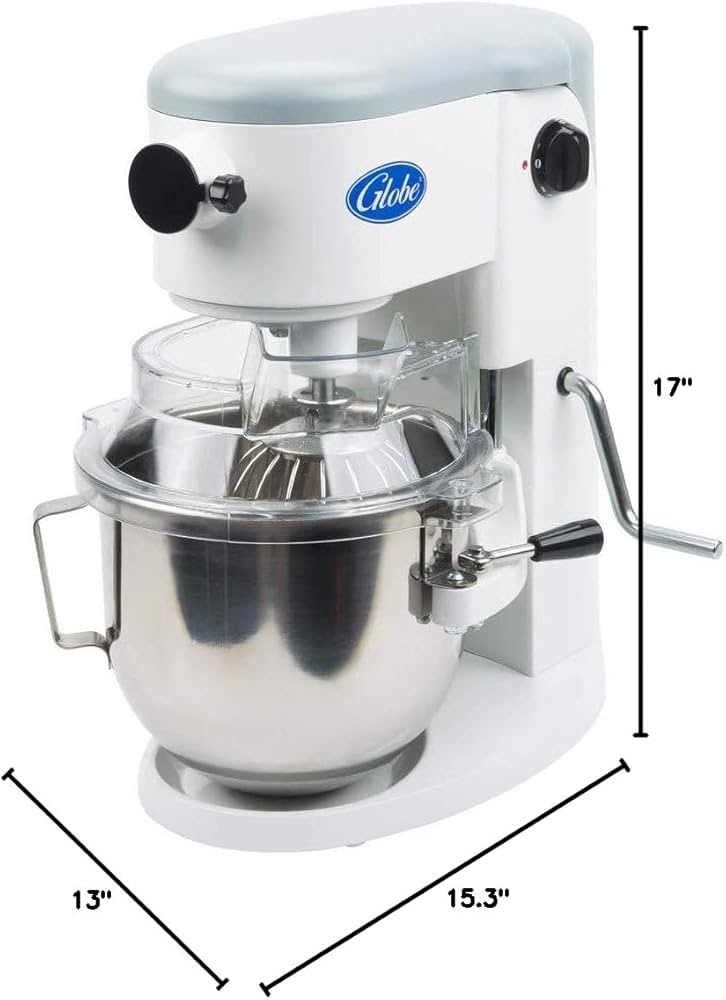
- ANSI compliant controls
- Heavy-duty safety cage
- NSF certified
As an Amazon Associate, we may earn from qualifying purchases.
Top industrial mixer models
Choosing the right regulated mixer requires balancing capacity, safety features, and compliance with industry standards. Below, we compare three widely used models that meet rigorous operational and safety criteria.
Comparison of top models
| Model | Type | Max Capacity | Compliance Certifications | Safety Features |
|---|---|---|---|---|
| Hobart N50 | Planetary | 50 qt | NSF, UL | Interlocked guard, variable speed |
| Unox CMX1 | Planetary | 21 qt | CE, UL | Emergency stop, thermal overload |
| Robot Coupe R3 | Vertical Cutter | 12 L | NSF, CE | Safety lid switch, overload protection |
These models are selected for their consistent performance in high-volume environments and their adherence to safety regulations set by organizations like OSHA and ANSI.
| Model | Type | Max Capacity | Compliance | Safety |
|---|---|---|---|---|
| Hobart N50 | Planetary | 50 qt | NSF, UL | Interlocked guard, variable speed |
| Unox CMX1 | Planetary | 21 qt | CE, UL | Emergency stop, thermal overload |
| Robot Coupe R3 | Vertical Cutter | 12 L | NSF, CE | Safety lid switch, overload protection |
Key selection factors
When evaluating these mixers, consider the specific demands of your operation. Capacity is critical for high-volume tasks, while safety features like interlocked guards and emergency stops are non-negotiable for compliance. Certification from recognized bodies like NSF and UL ensures that the equipment meets international safety and hygiene standards.

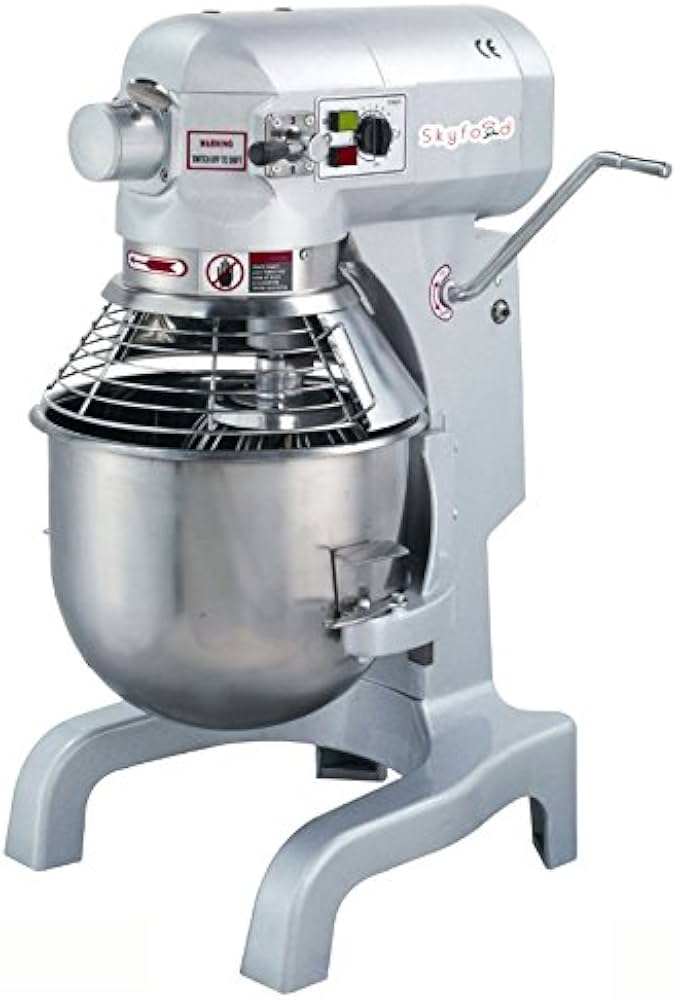

As an Amazon Associate, we may earn from qualifying purchases.
Keep your mixer compliant and safe
Compliance doesn’t end when the equipment arrives. Ongoing maintenance is the difference between a safe kitchen and a regulatory violation. State regulations, such as those found in the California Code of Regulations Section 4542, specifically require that horizontal food mixers have a cover or enclosure with an interlocking device. This means the agitators cannot operate unless the cover is securely in place. If that interlock fails, the machine is non-compliant until repaired.
Start with daily visual checks. Look for worn wiring, loose guards, or damaged interlock switches on models like the Hobart N50 or the Unox CMB 10. Clean any residue that might interfere with safety sensors. Weekly, perform a functional test of the interlock mechanism to ensure it cuts power immediately when the guard is opened. Keep a simple log of these checks. Documentation proves due diligence if an inspector or auditor arrives.
Routine maintenance steps
Follow this ordered process to maintain safety and compliance:
Check the cover and its interlocking mechanism. Ensure it closes fully and that the power cuts off immediately when opened. Test this function daily before the first batch.
Remove food debris from gears and shafts. Use only food-grade lubricants approved by the manufacturer. Improper lubrication can attract contaminants or void warranties.
Inspect power cords for fraying or damage. Ensure the emergency stop button is accessible and functional. Tighten any loose terminal connections in the control panel.
Record every inspection, repair, and part replacement in a maintenance log. This documentation is critical for compliance audits and liability protection.
Essential replacement parts
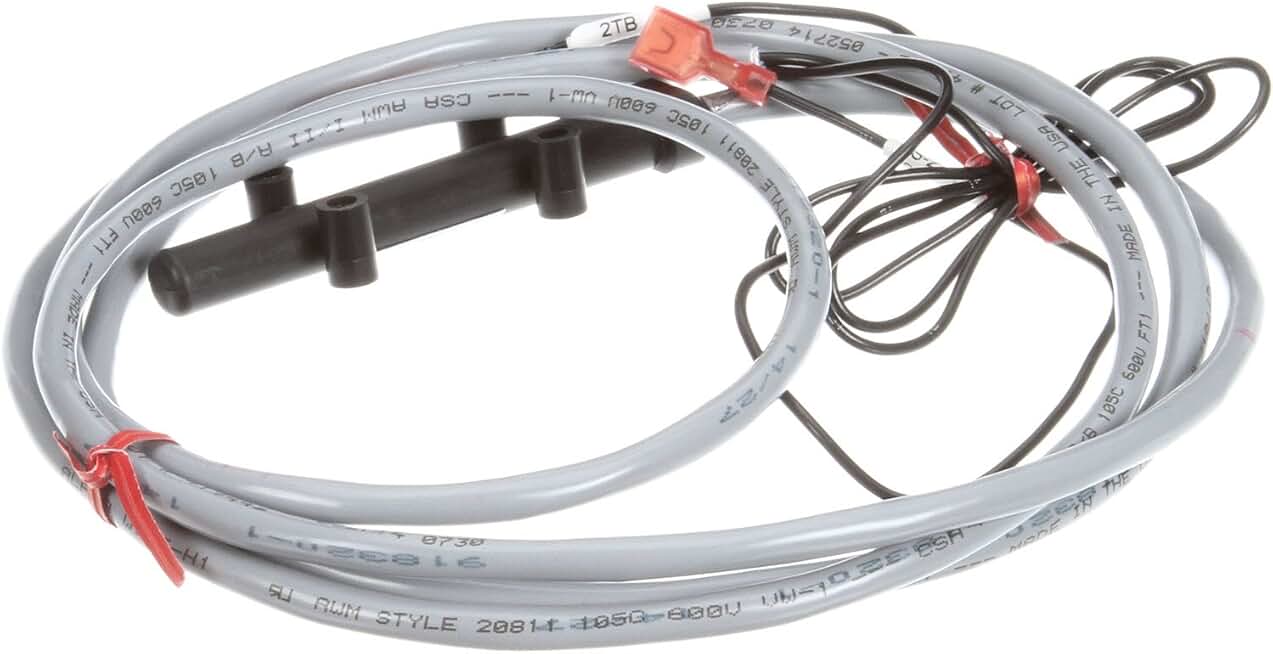
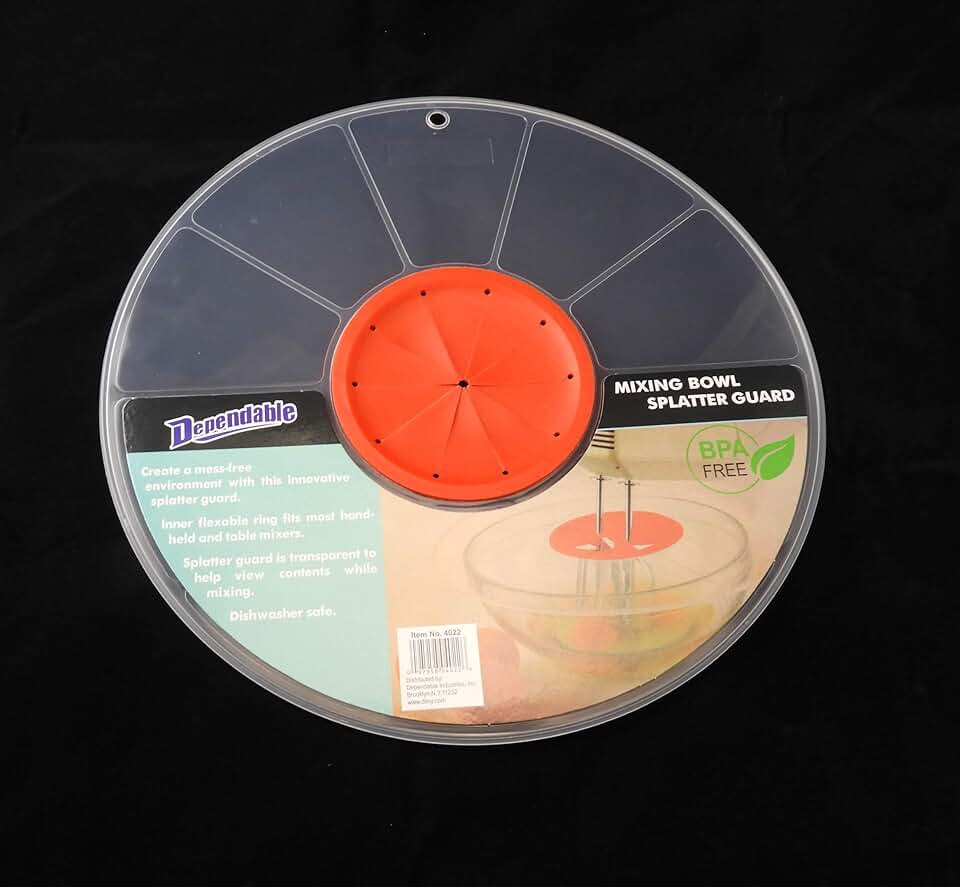
Having the right parts on hand prevents downtime and ensures you can restore safety features quickly. Below are common components for regulated mixers:

As an Amazon Associate, we may earn from qualifying purchases.
Frequently asked questions about mixer compliance
What specific safety features must a commercial mixer have?
A compliant commercial mixer must have an interlocking guard that prevents operation when open, an emergency stop button that cuts all power, and permanent labeling indicating capacity and voltage. These features are mandated by OSHA and ANSI standards to prevent mechanical injury.
How often should I inspect the interlock mechanism?
You should perform a visual inspection daily and a functional test weekly. The interlock must immediately cut power to the agitator when the guard is opened. Failure to maintain this function is a direct violation of state regulations like California Code of Regulations Section 4542.
What happens if my mixer lacks proper labeling?
Without permanent, legible labels for rated capacity, voltage, and PPE requirements, the mixer fails basic OSHA documentation requirements. This exposes your business to fines and liability, even if the mechanical safety features are otherwise sound.
Can I bypass the safety interlock for faster cleaning?
No. Bypassing safety interlocks or removing guards is a violation of OSHA regulations and creates severe injury risks. It also voids equipment warranties and certifications from bodies like NSF and UL.
No comments yet. Be the first to share your thoughts!