

Choosing a safe stand mixer in 2026
Selecting a stand mixer is an investment in a kitchen appliance that will likely outlast your refrigerator. However, the mechanical power required to knead heavy bread dough or whip stiff meringue introduces specific safety considerations that go beyond simple product reviews. In 2026, the standard for a reliable mixer is defined by two non-negotiable pillars: electrical safety certification and food-grade material compliance.
Electrical safety is the first barrier against catastrophic failure. Look for models that carry UL (Underwriters Laboratories) or ETL (Intertek) certification marks. These labels indicate that the mixer’s motor, wiring, and housing have been rigorously tested against shock and fire hazards. A mixer without this certification is a gamble with your home’s electrical system. While many major brands like KitchenAid and Ankarsrum have long maintained these standards, smaller or imported manufacturers may not. Always verify the certification mark on the product listing or the device itself before purchasing.
Equally important is the material safety of the parts that touch your ingredients. The mixing bowl, beaters, and dough hook must be made from FDA-compliant materials. This ensures that no harmful chemicals leach into your food, especially when mixing acidic ingredients like citrus or vinegar. Stainless steel is the industry gold standard for durability and hygiene, but high-quality polycarbonate bowls are also acceptable if they are explicitly labeled as BPA-free and food-safe. Avoid any mixer that does not clearly state the material composition of its contact surfaces.
Beyond certifications, the physical design of the mixer plays a role in daily safety. A stable base prevents the unit from "walking" across the counter during heavy mixing, which can cause spills or injuries. Look for mixers with rubberized feet or a heavy, solid construction. Additionally, consider the accessibility of the controls. Mixers with clearly marked, easy-to-reach switches reduce the risk of accidental activation while adding ingredients. By prioritizing these safety features, you ensure that your 2026 stand mixer is not only powerful but also a secure addition to your kitchen.
Top stand mixer recommendations
Choosing the right stand mixer depends on how you plan to use it. A machine built for light cake batters will struggle with heavy bread dough, just as a commercial-grade unit is overkill for occasional cookie mixing. We evaluated the top models based on motor durability, bowl capacity, and build quality to find the best fit for different kitchen needs.
The KitchenAid Artisan remains the standard for most home bakers. Its planetary mixing action ensures ingredients are pulled from the sides of the bowl efficiently. The metal construction provides stability during operation, preventing the unit from walking across the counter. It handles a wide variety of tasks, from whipping cream to kneading stiff dough, making it a versatile centerpiece for any kitchen.
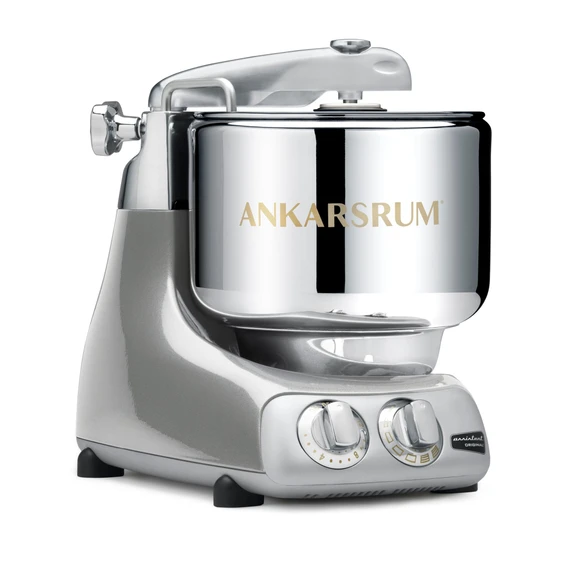
For those who bake bread frequently, the Ankarsrum Original offers a different approach. Instead of a beater that spins around a stationary bowl, it uses a rotating bowl with internal rollers and a dough hook. This design reduces motor strain and prevents overheating during long kneading sessions. It is a significant investment but pays off in durability and consistent dough development.
If you need a more affordable option that still delivers performance, the Cuisinart Precision Master is a strong contender. It features a powerful motor and a large stainless steel bowl, suitable for larger families or batch cooking. While the plastic housing feels less premium than metal alternatives, the mixing performance is reliable for everyday tasks.
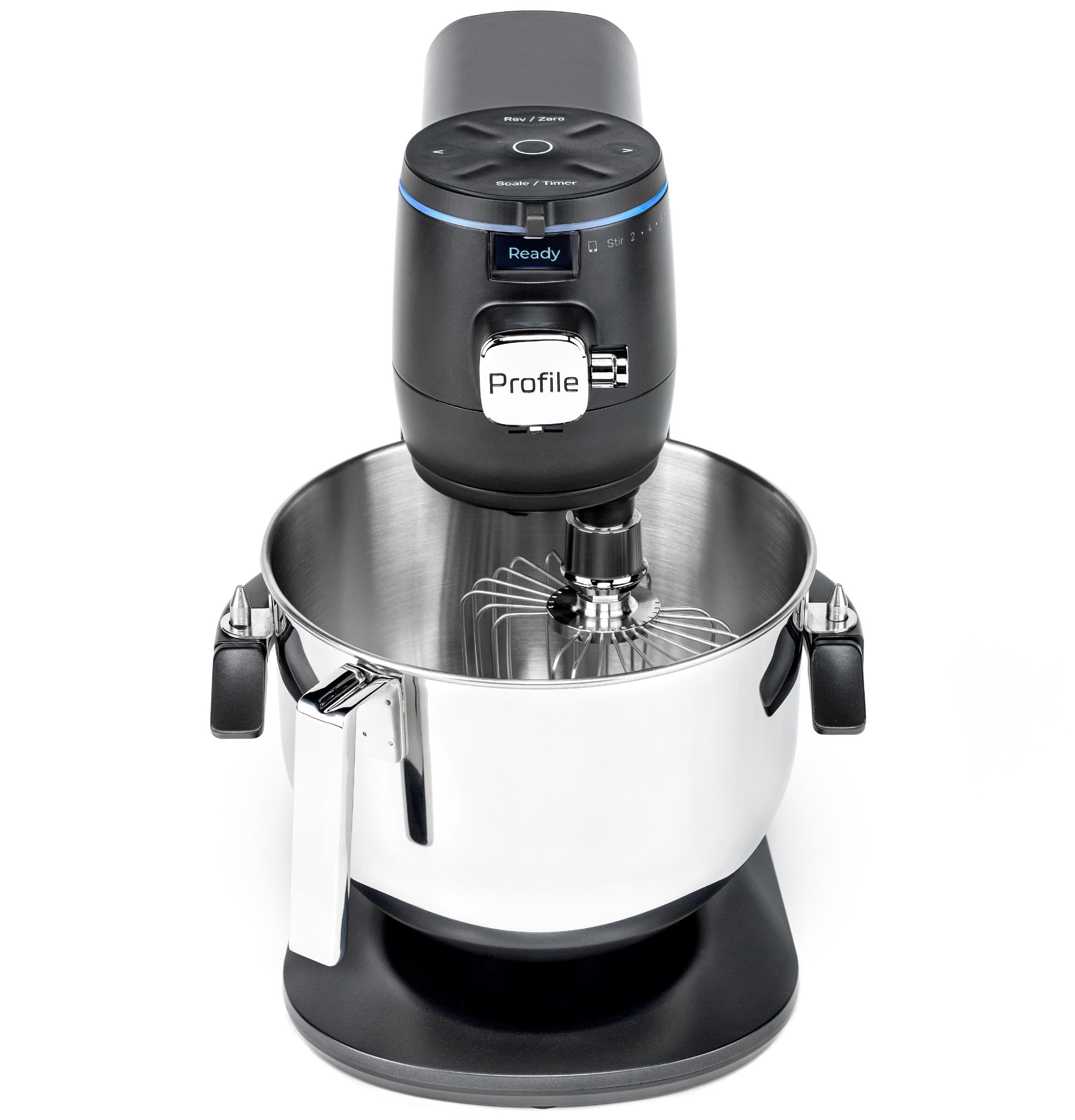
For tech-savvy users, the GE Profile Smart Stand Mixer integrates with home automation systems. You can control mixing speeds and monitor progress via a smartphone app. This model is ideal for those who want precision and connectivity, though it comes at a higher price point than traditional mechanical mixers.
| Model | Bowl Capacity | Motor Type | Best For |
|---|---|---|---|
| KitchenAid Artisan | 5 Quart | Direct Drive | General Home Baking |
| Ankarsrum Original | 7 Liter | Indirect Bowl Rotation | Heavy Bread Dough |
| Cuisinart Precision Master | 5.5 Quart | Direct Drive | Budget-Conscious Buyers |
| GE Profile Smart | 4.5 Quart | Smart Motor | Tech-Integrated Kitchens |


As an Amazon Associate, we may earn from qualifying purchases.
Choosing the right stand mixer type
Stand mixers generally fall into two mechanical categories: tilt-head and bowl-lift. A third category, planetary mixers, describes the motion of the beater rather than the machine's structure, though most modern stand mixers use planetary action. Understanding these distinctions helps you select a machine that matches your baking volume and safety needs.
Tilt-head mixers
Tilt-head models feature a head that pivots backward, allowing you to add ingredients or swap attachments without removing the bowl. This design is common in compact units like the KitchenAid Artisan. They are ideal for occasional bakers who make cookies, cakes, or light breads. However, the pivot mechanism can introduce slight wobble at high speeds, and the bowl capacity is typically limited to five quarts. For heavy doughs, the tilt-head structure may strain the motor or cause the machine to "walk" across the counter if not properly secured.
Bowl-lift mixers
Bowl-lift mixers raise and lower the bowl into the mixing head using levers on either side. This design offers greater stability and is standard in professional-grade units like the KitchenAid Professional 600 or the Wilfa ProBaker. The rigid structure supports heavier motors and larger bowls, often up to six or seven quarts. This makes them the superior choice for frequent bread bakers or those who process large batches of stiff dough. The trade-off is that you must remove the bowl to access ingredients, which adds a step to your workflow.
Planetary action explained
Most stand mixers, regardless of type, use planetary mixing action. The beater rotates on its own axis while simultaneously revolving around the bowl's inner wall. This ensures that all ingredients are incorporated evenly without manual scraping. When evaluating safety and performance, look for models with a robust planetary gear system. A weak gear system can strip under load, especially when mixing dense doughs. Always consult the manufacturer's manual for maximum load limits to prevent motor burnout or mechanical failure.
Safety checks for new mixers
Before you plug in your KitchenAid Artisan, SMEG SMF03, or Ankarsrum, run through this physical inspection. Stand mixers are heavy-duty appliances that generate significant torque. Skipping these checks can lead to motor strain, component failure, or injury from ejected ingredients. Treat this as a non-negotiable pre-flight checklist.

Check the entire length of the cord for fraying, exposed wires, or kinks that could pinch. Ensure the plug fits securely into your outlet without wobbling. A loose connection can cause arcing or intermittent power loss, which is dangerous when the mixer is under load. If the cord feels brittle or the plug housing is cracked, do not use the appliance.

For models like the KitchenAid Artisan, the bowl must click firmly into place. If it doesn't lock, the mixer will not engage, but forcing it can damage the drive mechanism. Ensure the splash guard is properly seated and latched. This prevents heavy doughs or liquids from splashing out at high speeds, keeping your workspace clean and your hands safe from moving parts.
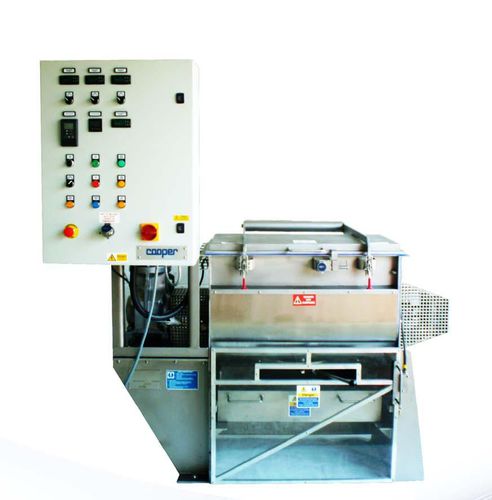
Make sure your whisk, dough hook, or flat beater is fully inserted and locked into the attachment hub. On planetary mixers, the attachment must sit flush against the back of the bowl. If it's loose, it can wobble violently, causing the motor to overheat or the attachment to detach. Tug gently on the attachment to confirm it is secure before turning the dial.
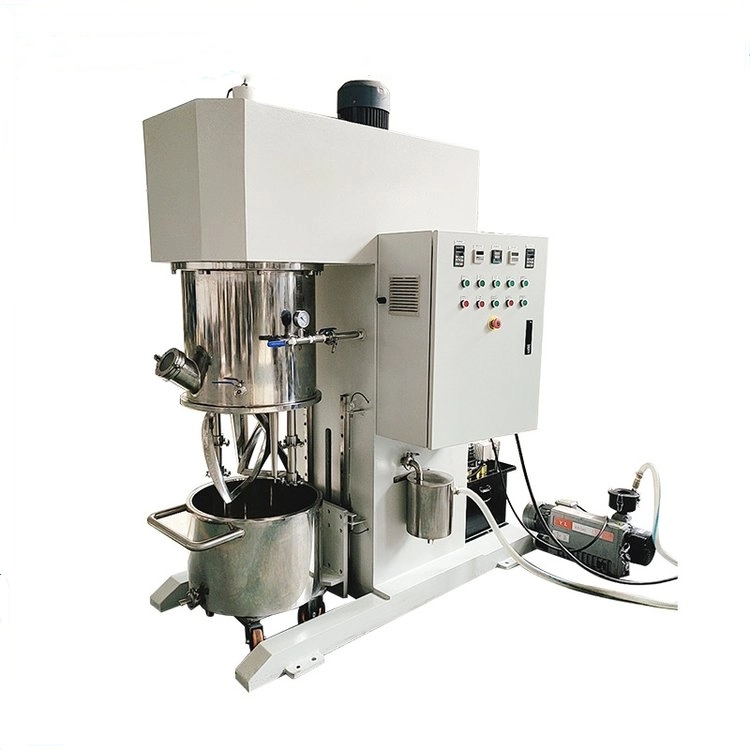
Turn the mixer on at the lowest setting first. Listen for unusual grinding noises or vibrations. The safety interlock should prevent the head from lowering unless the bowl is locked. If the motor runs but the attachments don't turn, or if the head lowers without the bowl locked, unplug the unit immediately and contact the manufacturer.
These steps apply to all major stand mixer brands, from budget-friendly Hamilton Beach models to premium Wilfa ProBaker units. Taking five minutes to verify these safety features ensures your mixer operates efficiently and safely for years to come.
Common questions about stand mixers
We get asked specific questions about which brands and models actually hold up in a real kitchen. Here are the answers to the most frequent queries we see from home bakers and professionals alike.
No comments yet. Be the first to share your thoughts!