
2026 regulatory landscape for mixers
The term "regulated mixers" in 2026 refers specifically to industrial mixing equipment subject to federal safety and environmental standards, not audio hardware or social networking devices. This guide addresses the compliance requirements for industrial machinery used in manufacturing, food processing, and chemical handling.
Operators should consult official regulatory bodies to understand jurisdiction-specific mandates. The Occupational Safety and Health Administration (OSHA) enforces workplace safety standards, including machine guarding and lockout/tagout procedures for industrial mixers. The Food and Drug Administration (FDA) regulates equipment used in food and beverage production, focusing on sanitary design and material safety. The Environmental Protection Agency (EPA) oversees emissions and waste management associated with industrial mixing processes.
This guide addresses industrial mixing equipment compliance, not audio hardware or social events.
Compliance requirements are dynamic. Operators should monitor updates from OSHA, FDA, and EPA for any changes to standards affecting industrial mixing equipment. Failure to comply can result in significant penalties and safety hazards. This article provides an overview of the current regulatory landscape to help operators navigate these requirements.
OSHA Safety Standards for Industrial Mixers
Industrial mixer operation falls under the Occupational Safety and Health Administration (OSHA) 29 CFR 1910.147, the Control of Hazardous Energy standard, commonly known as Lockout/Tagout (LOTO). This regulation mandates that operators isolate all energy sources—electrical, hydraulic, and pneumatic—before performing any maintenance or clearing a jam. For high-torque industrial mixers, failure to adhere to these protocols poses a severe risk of entanglement or crushing injuries.
Guarding requirements are equally strict. OSHA 1910.212(a)(3) requires that all machinery points of operation be guarded to protect the operator from hazards. In the context of industrial mixing, this means fixed guards or interlocked barriers must be in place to prevent contact with rotating shafts and blades. Operators should consult the specific machine manual to verify that the guarding system meets the force and gap distance standards outlined in the regulation.
Verification of zero energy state is a critical step in the compliance workflow. Before any guard is removed or any part of the machine is entered, the operator must verify that the lockout device has successfully isolated the energy source. This verification process includes attempting to start the equipment from the control panel to ensure it does not activate. This step is non-negotiable in high-stakes industrial environments.
- Verify all energy sources are isolated and locked.
- Ensure fixed guards are intact and interlocks are functional.
- Test the control panel to confirm zero energy state.
- Document the LOTO procedure in the maintenance log.
FDA and EPA compliance for food and chemical mixers
Industrial mixing equipment operates under strict regulatory frameworks that differ significantly depending on whether the application involves food processing or chemical handling. For food-grade operations, the Food and Drug Administration (FDA) mandates adherence to Title 21 of the Code of Federal Regulations (CFR), specifically Part 117 (Current Good Manufacturing Practice) and Part 177 (Indirect Food Additives). These regulations govern the materials used in mixer construction, requiring surfaces to be non-absorbent, corrosion-resistant, and easily cleanable to prevent microbial contamination.
Chemical mixing applications fall under the Environmental Protection Agency (EPA) and Occupational Safety and Health Administration (OSHA) jurisdictions. Here, the focus shifts from food safety to environmental protection and worker safety. Mixers handling hazardous substances must meet specific material compatibility standards to prevent leaks, reactions, or structural failures that could lead to environmental releases or workplace injuries. Operators should consult regulatory guidelines to ensure that mixer seals, gaskets, and housing materials are compatible with the specific chemicals being processed.
The table below outlines the primary differences in compliance requirements for mixer materials and cleaning protocols between these two sectors.
Failure to adhere to these standards can result in significant operational shutdowns, fines, or product recalls. In food processing, non-compliant mixers may harbor pathogens like Listeria or Salmonella, leading to public health crises. In chemical handling, incompatible materials can lead to catastrophic failures, including tank ruptures or toxic gas releases. Operators should consult with regulatory experts to ensure that their mixing equipment meets the specific requirements of their jurisdiction and application.
2026 updates to mixer maintenance best practices
Compliance audits in 2026 demand stricter documentation of industrial mixer maintenance. Regulatory bodies like OSHA and the FDA now require verifiable proof of predictive maintenance protocols, moving beyond simple logbook entries to data-driven evidence of equipment health. Operators should consult these updated standards to ensure their maintenance records withstand scrutiny during formal inspections.
The shift toward predictive maintenance relies on sensor data to identify wear before failure. This approach is no longer optional for high-stakes environments; it is a core component of regulatory compliance. Documentation must now capture vibration analysis, thermal imaging, and lubrication intervals with precise timestamps and operator signatures.
Regulators require digital, tamper-proof records. Paper logs are increasingly rejected in favor of systems that prevent backdating or alteration. Operators should implement software that automatically timestamps every maintenance action and links it to specific mixer components.

Predictive maintenance requires continuous data collection. Sensors monitoring vibration, temperature, and motor current must be calibrated and documented. Auditors will verify that these sensors are active and that alerts trigger appropriate maintenance workflows before equipment failure occurs.
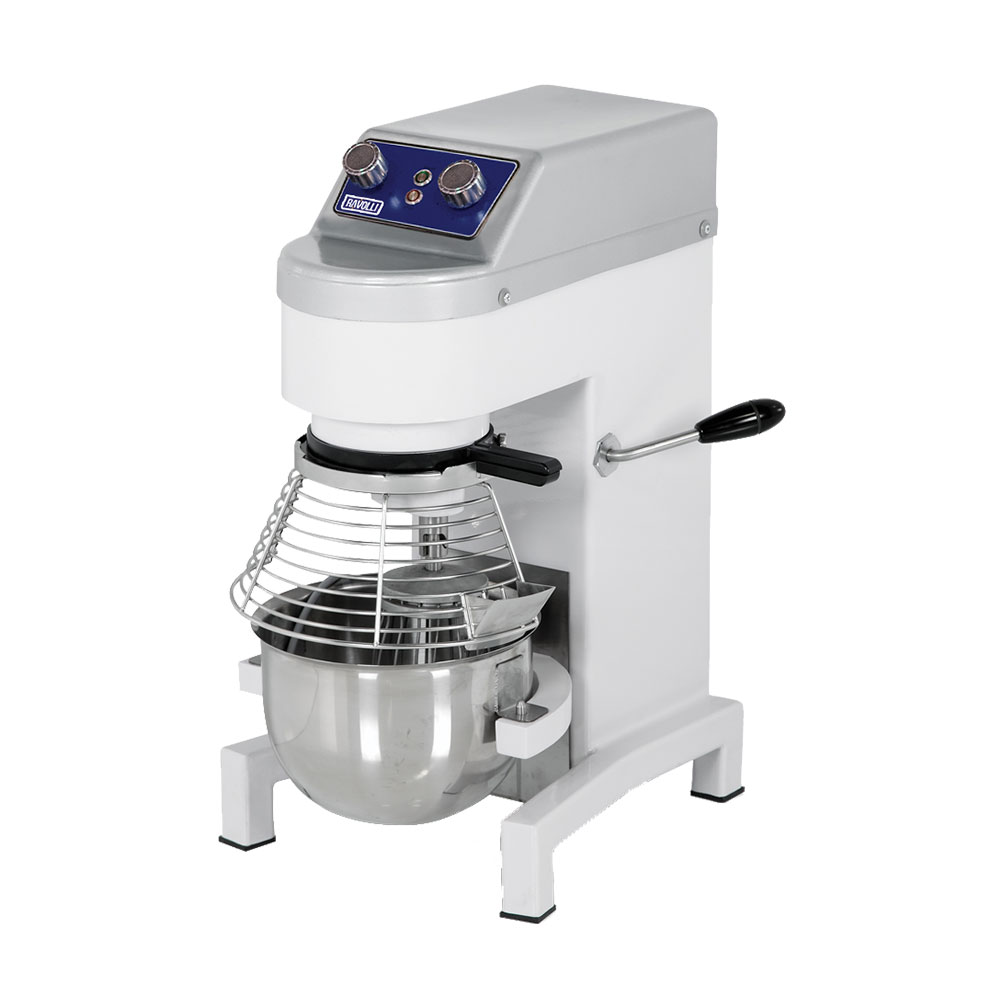
Physical safety features must be inspected and logged regularly. OSHA standards require that interlocks, emergency stops, and guarding mechanisms are functional. Maintenance records must include specific test results proving these safety systems engage correctly under load.
Failure to maintain these records can result in significant penalties and operational shutdowns. The 2026 regulatory landscape prioritizes transparency and proactive care. Operators should treat maintenance documentation as a critical legal asset, ensuring every entry is accurate, complete, and readily accessible for audit purposes.
Common compliance pitfalls for mixer operators
Industrial mixer operators frequently encounter citations during regulatory audits due to preventable administrative and mechanical oversights. Auditors from OSHA and the FDA prioritize documented proof of safety protocols and physical machine integrity. When operators fail to maintain these standards, they risk significant penalties and operational shutdowns.
Inadequate training records
Regulations require documented proof that all personnel operating heavy mixing equipment have received current safety training. Auditors often cite facilities where training logs are missing, incomplete, or do not reflect recent updates to safety procedures. Operators should consult their internal compliance manuals to ensure every shift worker has signed, dated training records that cover lockout/tagout (LOTO) and emergency shutdown protocols. Without this paper trail, even a safe operation can be deemed non-compliant.
Improper guarding and interlocks
Physical safety guards on industrial mixers must remain in place and functional at all times. A common pitfall is the removal or bypassing of interlock switches to facilitate faster cleaning or maintenance. OSHA standards strictly prohibit disabling safety devices that prevent access to moving parts while the machine is energized. Operators should verify that all guards are secure and that interlock systems trigger an immediate shutdown if opened. Tampering with these systems is a severe violation that leads to immediate citations.
Poor maintenance documentation
Preventive maintenance schedules must be strictly followed and meticulously recorded. Auditors look for gaps in maintenance logs that suggest equipment was operated beyond its recommended service intervals. Missing records for blade inspections, motor checks, or seal replacements can lead to findings of inadequate equipment care. Operators should maintain a digital or physical logbook that details every maintenance action, including dates, technician names, and parts replaced. This documentation serves as evidence that the facility actively manages equipment risk.
Frequently asked questions about mixer regulations
The following questions address common ambiguities regarding jurisdictional applicability and documentation requirements for industrial mixing equipment in 2026. Operators should consult official guidance from OSHA, the FDA, and the EPA to ensure full compliance with current standards.
No comments yet. Be the first to share your thoughts!