

In 2025, the demand for privacy in cryptocurrency transactions is at an all-time high, especially as regulators intensify their scrutiny of crypto mixers. The stakes are clear: Chainalysis reports over $2.17 billion stolen from crypto services so far this year, eclipsing the entirety of 2024. For individuals and organizations transacting with stablecoins like Tether (USDT), privacy is not just a preference but a necessity. Yet, as enforcement actions and new mandates, such as the U. S. Treasury’s designation of some mixers as "Primary Money Laundering Concerns": take effect, navigating this landscape without crossing legal boundaries has become a sophisticated balancing act.
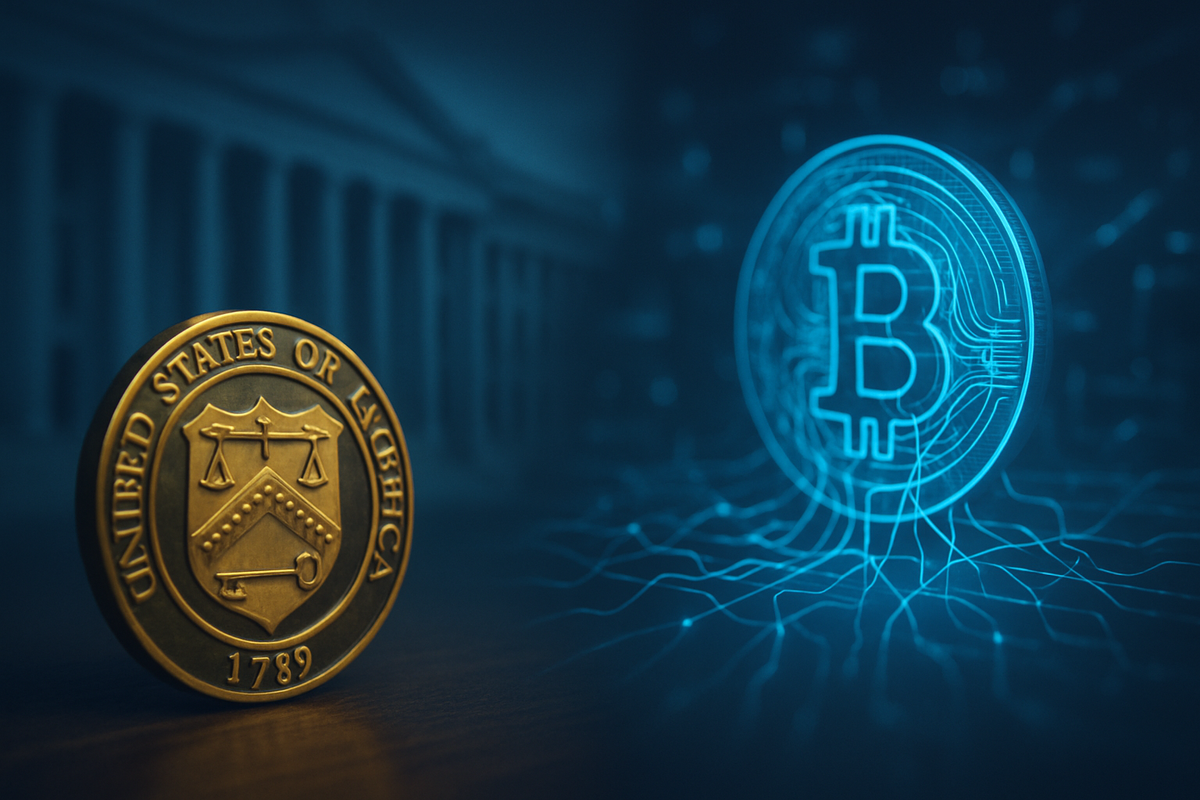
Why USDT Privacy Matters More Than Ever in 2025
USDT remains the backbone of global crypto trading and DeFi activity. However, every transaction on-chain leaves a traceable record, exposing users to surveillance, targeted scams, or even unjustified account freezes. With the proliferation of blockchain analytics tools and stricter Anti-Money Laundering (AML) enforcement worldwide, privacy-conscious users must tread carefully to avoid being swept up in compliance dragnets.
The debate around privacy and compliance is now front and center. Leaked DeFi KYC mandates have sparked backlash across the industry, with critics warning that radical transparency could stifle innovation and put legitimate users at risk. Meanwhile, regulators argue that unchecked anonymity enables crime, a point underscored by recent court rulings linking unregulated mixers to major laundering operations.
The Evolution of Regulated USDT Mixers: Balancing Anonymity with Accountability
Gone are the days when all mixers operated in legal gray zones. In response to mounting pressure from authorities, and real-world cases of mixers being shuttered or sanctioned provides a new breed of regulated USDT mixers has emerged. These platforms are engineered for lawful use by integrating advanced cryptography (like zk-SNARKs) alongside robust compliance frameworks.
Key innovations include:
- Zero-Knowledge Proofs (zk-SNARKs): Allow confidential transactions without exposing sensitive details to third parties or even the mixer operator.
- Selective De-Anonymization (SeDe): Enables targeted disclosure under court order or regulatory request, protecting user privacy while ensuring that illicit activity can be traced if necessary.
- Mandatory Registration and KYC/AML Compliance: U. S. -facing mixers must register as Money Service Businesses (MSBs) and enforce Know Your Customer checks on all users.
This hybrid approach is designed to satisfy both sides: users retain transaction privacy within lawful bounds while regulators maintain oversight capabilities for genuine investigations.
Navigating Crypto Mixer Regulations in 2025: What Users Need to Know
The regulatory environment for crypto mixing has never been more complex, or unforgiving. Non-compliance can trigger severe penalties including asset seizures or criminal prosecution. To use a regulated USDT mixer legally in 2025, follow these essential steps:
- Select only registered and compliant platforms: Verify MSB status and review transparency reports before transacting.
- Complete all required KYC procedures: Be prepared to provide identity verification, even if your transaction remains private on-chain.
- Maintain detailed records: Keep documentation for tax reporting and potential audits; this is critical under current U. S. Treasury guidelines.
- If unsure, consult legal counsel: Regulations change rapidly; professional advice ensures you stay on the right side of evolving laws.
This approach not only protects your assets from being frozen but also preserves your right to financial confidentiality within established legal frameworks.
As privacy technologies and regulations evolve in tandem, users must remain proactive and informed. Choosing a compliant crypto mixing service is not a one-time decision but an ongoing process. Platforms that lead the industry in transparency, such as those publishing regular audit reports and proof-of-reserves, offer greater assurance that your privacy isn’t coming at the expense of legal risk.
Top Features of Regulated USDT Mixers in 2025
- Full Regulatory Compliance: Choose mixers that are registered as Money Service Businesses (MSBs) and adhere to strict AML/KYC requirements, as mandated by the U.S. Treasury in 2025.
- Advanced Privacy Technology: Look for mixers utilizing zero-knowledge proofs (zk-SNARKs) and Selective De-Anonymization (SeDe) to maximize privacy while enabling lawful oversight. These cryptographic tools are now standard in leading platforms (regulatedmixers.com).
- Transparent Audit Trails: Opt for services that provide verifiable transaction logs and allow users to download detailed reports for tax compliance and audits, a necessity in the 2025 regulatory environment.
- Robust Security Measures: Prioritize mixers with end-to-end encryption, multi-factor authentication, and regular security audits to protect your USDT and personal data from evolving threats.

- Clear Legal Disclosures & Support: Select platforms that offer clear terms of service, legal guidance for US users, and responsive customer support to navigate the complex compliance landscape.
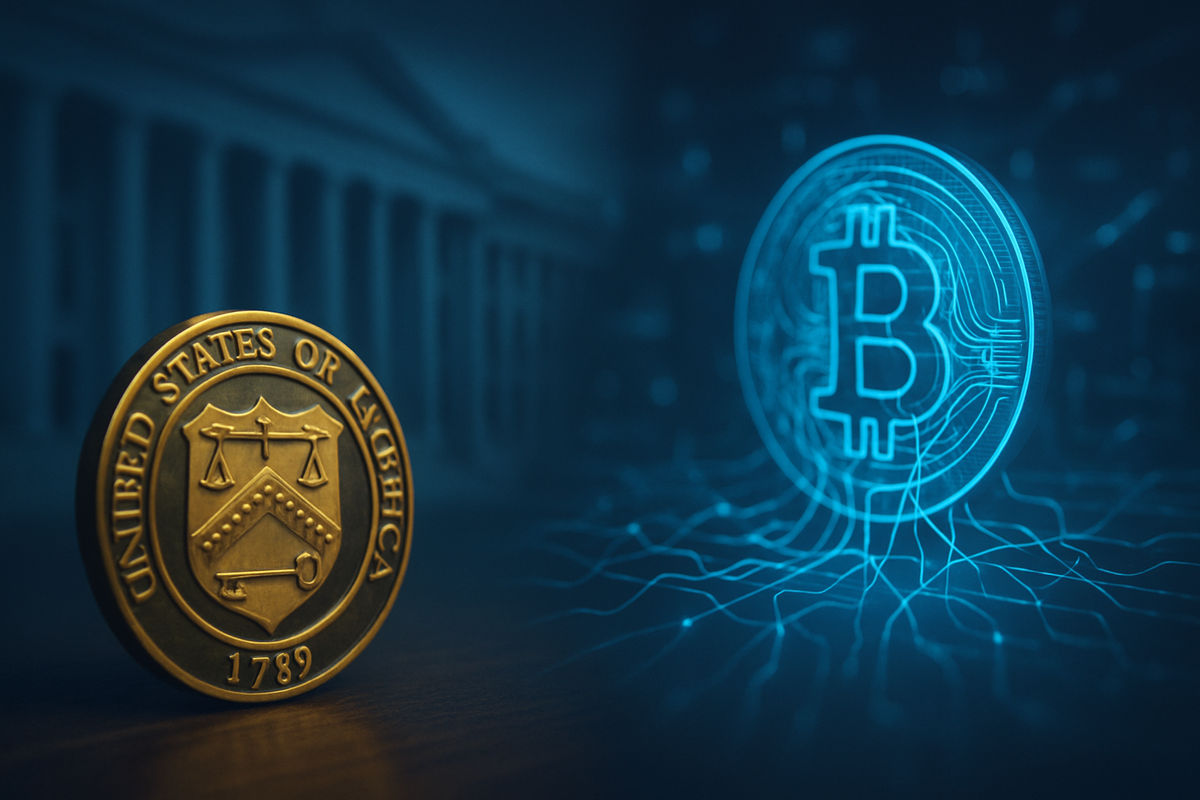
It’s equally important to understand what separates a legal tether mixer from illicit alternatives. Regulated USDT mixers will:
- Disclose their regulatory status and compliance policies upfront
- Implement robust KYC/AML checks without storing unnecessary personal data
- Support selective de-anonymization only under lawful requests
- Provide customer support and clear dispute resolution channels
This is not just about avoiding criminal liability. With over $2.17 billion stolen from crypto services so far in 2025 (according to Chainalysis), using vetted platforms also reduces your exposure to hacks, exit scams, or sudden shutdowns triggered by enforcement actions.
Best Practices for Using USDT Privacy Mixers Legally in 2025
To maximize both privacy and compliance:
- Always use unique deposit addresses. This prevents blockchain analysis from linking your transactions across mixers or wallets.
- Avoid splitting or combining large sums unnecessarily. Irregular patterns can attract attention from compliance teams or forensic tools.
- Keep meticulous transaction records. In case of audits or tax reporting requirements, detailed logs are your best defense.
- Stay updated on regulatory changes. Subscribe to reputable crypto compliance news sources; rules are changing fast, especially with new DeFi KYC mandates looming.
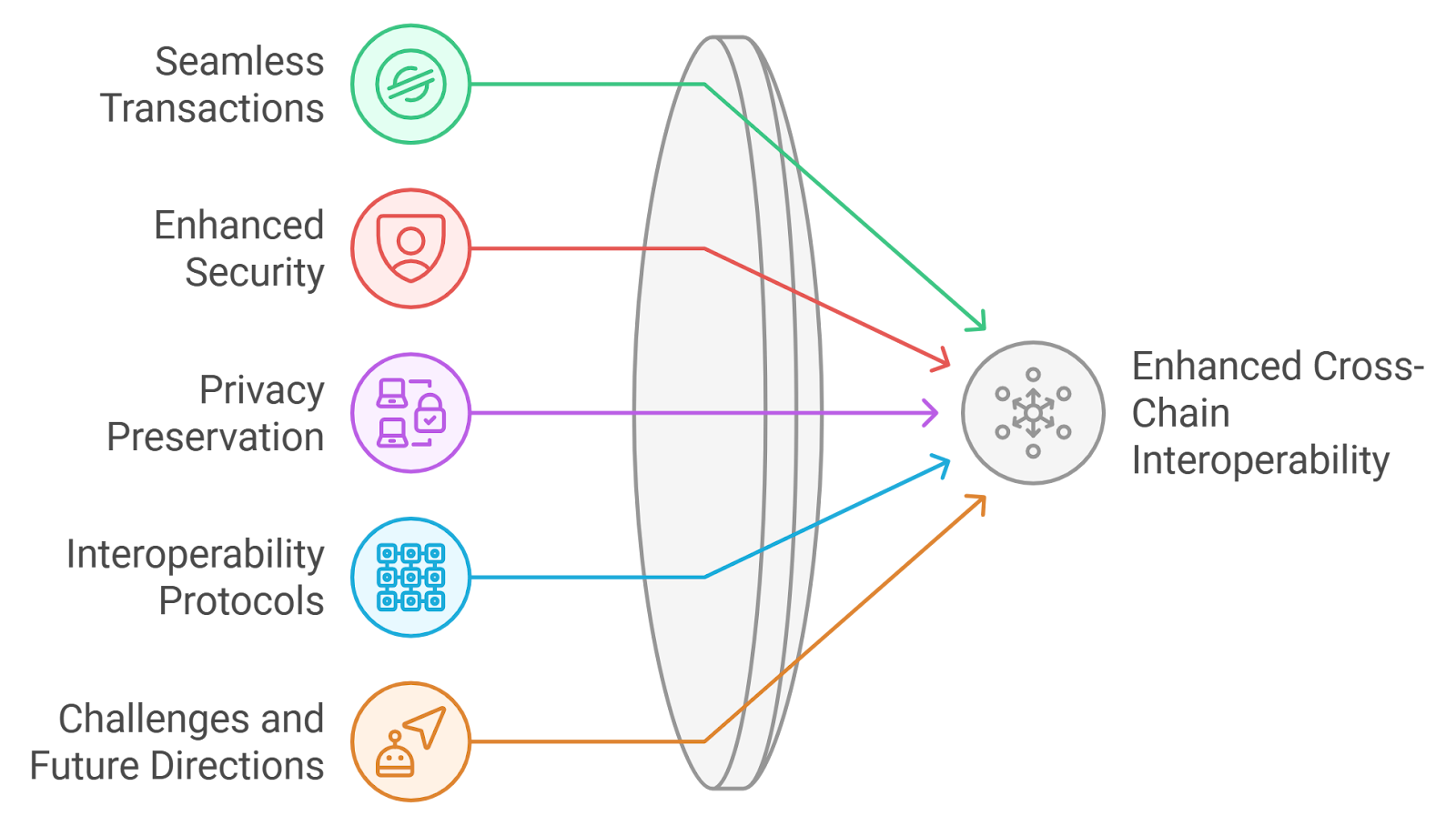
If you’re transacting across multiple blockchains, ensure your chosen mixer supports cross-chain operations while maintaining compliance standards. For additional guidance on this topic, see our resource on how regulated USDT mixers enable legal private Tether transactions across multiple blockchains.
Common Pitfalls: What to Avoid When Mixing USDT
The temptation to bypass KYC requirements or use offshore services that advertise “no questions asked” privacy can be strong. However, these options increasingly put users at risk of asset seizures or even criminal investigation as global enforcement ramps up. Remember: true privacy comes from blending strong cryptographic protections with legitimate compliance, not from operating in the shadows.
The bottom line is clear: as regulators double down on oversight and criminals grow more sophisticated, the safest path for privacy-conscious users is through regulated USDT mixing networks that combine technological innovation with rigorous legal standards. By staying informed and choosing compliant platforms, you can enjoy robust transaction confidentiality, without breaking the law or risking your assets.


No comments yet. Be the first to share your thoughts!