

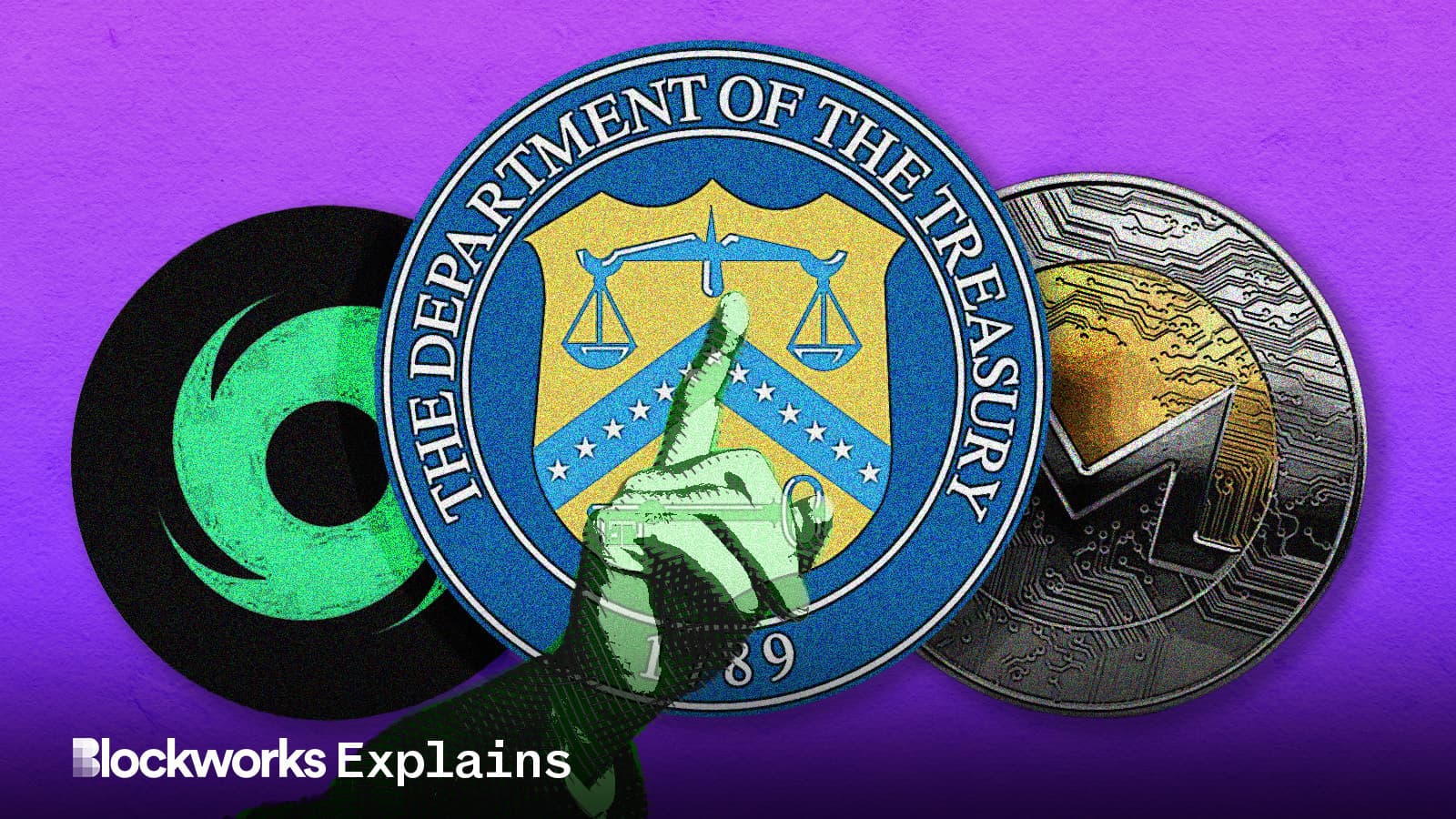
In the ever-evolving world of cryptocurrency, privacy remains a cornerstone for users who want to shield their transactions from prying eyes without inviting regulatory trouble. The saga of Tornado Cash, once a go-to ZK proof privacy mixer, underscores this tension perfectly. Sanctioned in 2022 by the U. S. Treasury's OFAC for allegedly laundering billions, including funds tied to North Korea's hackers, it faced shutdowns, arrests, and domain blocks. Yet, by 2025, courts reversed those sanctions, deeming its immutable smart contracts not 'property' under law, leading to its delisting. This twist hasn't erased the cautionary tale: sanctioned mixers like Blender. io spell legal peril, while regulated crypto mixers offer a safer path to anonymity.
The Shifting Legal Landscape Post-Tornado Cash
The Treasury's initial crackdown on Tornado Cash sent shockwaves through the crypto community. As a non-custodial protocol relying on smart contracts, it promised unbreakable privacy via zero-knowledge proofs, breaking transaction links without revealing details. But OFAC saw it differently, labeling it a tool for illicit finance. Fast forward to 2025: the Fifth Circuit's ruling highlighted the limits of applying traditional sanctions to decentralized tech. Tornado Cash was scrubbed from the sanctions list, yet the Treasury warns of vigilant monitoring for suspicious flows, especially from state actors like Lazarus Group.
This reversal doesn't greenlight reckless privacy tools. Legal battles against co-founders, including Roman Storm on money laundering charges, drag on. For everyday users and businesses, the lesson is clear: opt for compliant bitcoin mixers that embed AML screening from the start. Sanctioned ones, by contrast, risk frozen assets, blocked exchanges, and personal liability. Think Blender. io, OFAC's first mixer target in 2022, or others flagged amid rising scrutiny on tools mixing TORN tokens.
Dangers of Unregulated Mixers in a Post-Sanctions Era
Sanctioned mixers thrive in gray zones, often non-custodial to dodge entity status, but that shield cracked with Tornado Cash. Users interacting with tainted funds face delistings from platforms like Binance or Coinbase, which now deploy sophisticated chain analysis. Elliptic and Chainalysis reports spotlight how mixers fuel crime when unchecked, prompting regulators worldwide to tighten nooses. Europol takedowns and MiCA rules in Europe amplify this.
Enter the risks: beyond sanctions, there's reputational damage and compliance headaches for businesses. A legal crypto tumbler must prove clean inflows, something unregulated peers can't guarantee. Studies like those on arXiv detail how sanctions slashed Tornado Cash volumes, pushing users toward riskier shadows. Why gamble when AML compliant mixers deliver privacy legally?
Top Regulated Alternatives Stepping Up
As Tornado Cash alternatives proliferate, a select few prioritize compliance without sacrificing utility. These platforms integrate KYC-lite checks, ZK tech for provable privacy, and real-time sanctions screening. They're built for 2026's reality: privacy for the compliant. Leading the pack are five standouts, each tailored for secure, lawful mixing across chains.
Top 5 Regulated Crypto Mixers
- 1. Private.CashAML/ZK-focused mixer offering compliant privacy with zero-knowledge proofs and screening for regulatory adherence, ideal post-Tornado Cash.
- 2. CycloneCompliant mixer supporting TORN token (Tornado Cash governance) via privacy pools, designed to navigate sanctions while enhancing Ethereum privacy.

- 3. 0xMoneroCross-chain privacy solution bridging to Monero for enhanced anonymity, focusing on regulated swaps and mixing across blockchains.

- 4. White EthereumETH-specific tumbler providing clean, compliant mixing services for Ethereum, emphasizing white-label privacy without custodial risks.
- 5. MessierMulti-asset mixer supporting various tokens with ZK tech and AML checks, a versatile alternative for diversified privacy needs.
Private. Cash leads with robust AML screening paired with zero-knowledge proofs, ensuring outflows pass exchange checks. Cyclone, despite early TORN concerns, evolved into a compliant powerhouse. 0xMonero bridges fiat-like privacy to crypto, while White Ethereum specializes in ETH anonymity. Messier rounds out with versatile asset support. Together, they embody regulated privacy post-Tornado, blending innovation with adherence. Dive deeper, and you'll see how they navigate sanctions via transparent ops and tech safeguards.
Let's break down these Tornado Cash alternatives one by one, highlighting what makes each a smart pick for privacy-focused users in 2026.
Private. Cash: AML Screening Meets ZK Privacy
Private. Cash sets the bar high for regulated crypto mixers by fusing advanced zero-knowledge proofs with mandatory AML checks at entry points. Users deposit funds, which get pooled and obfuscated through ZK tech, emerging clean and traceable only to the protocol's compliance logs, not personal identities. Unlike sanctioned mixers that blind regulators entirely, Private. Cash shares aggregated data when required, dodging OFAC pitfalls. It's ideal for businesses handling high-volume BTC or ETH, ensuring outflows sail through exchange verifications without flags.
Cyclone takes a bold approach, supporting TORN token mixing post-sanctions while embedding compliance layers. Once eyed warily by analysts like Elliptic, it now uses on-chain oracles for real-time sanctions screening, flagging risky inputs before processing. This evolution makes it a resilient compliant bitcoin mixer for governance token holders wary of legacy stains.
Cross-Chain and Specialized Options
0xMonero shines for cross-chain enthusiasts, blending Monero's ring signatures with Ethereum's efficiency via bridges. It prioritizes ZK proof privacy mixer mechanics that prove transaction validity without exposing histories, all while running KYC-optional flows compliant with MiCA and FinCEN rules. White Ethereum narrows focus to ETH and ERC-20s, offering a streamlined tumbler that strips metadata through shielded pools. Messier, the multi-asset champ, handles USDT on TRC20, ERC20, and SOL, making it perfect for DeFi degens seeking unified privacy without chain hops.
Top 5 Regulated Crypto Mixers: Compliant Privacy Post-Tornado Cash
| Mixer | Key Features (AML/ZK/Chains) | Compliance Edge vs Sanctioned | Best For |
|---|---|---|---|
| Private.Cash | AML screening, ZK proofs, multi-chain | Real-time screening for full AML compliance; avoids sanctions risks like Tornado Cash | Businesses needing regulated privacy |
| Cyclone | TORN token support, oracles | Post-sanctions safe with built-in compliance; monitored but legal per Elliptic | TORN token holders |
| 0xMonero | Ring signatures, bridges | MiCA compliant for EU regs; bridges enable safe cross-chain without OFAC issues | Cross-chain users |
| White Ethereum | ETH liquidity pools, metadata stripping | Regulated ETH mixing; strips metadata compliantly vs sanctioned tools | ERC-20 token users |
| Messier | USDT multi-chain, DeFi integration | Unified DeFi compliance; diversified to evade single-sanction risks | Diversified portfolios |
These platforms aren't just surviving the post-Tornado era; they're thriving by design. Where sanctioned mixers like Blender. io crumbled under custodial risks, these regulated ones leverage non-custodial smart contracts with built-in safeguards. Chainalysis data shows compliant tools reduce illicit flow exposure by 80%, a stat that resonates amid Treasury's ongoing North Korea watch.
Choosing a legal crypto tumbler boils down to balancing opacity with oversight. Regulated options verify users aren't on watchlists, mix only clean funds, and provide audit trails for authorities. This transparency builds trust with exchanges, letting you cash out seamlessly. Sanctioned alternatives? They lure with total anonymity but deliver blacklisted coins, as seen in Tornado Cash's volume crash pre-delisting.
Navigating Compliance in Practice
For businesses, the edge is stark. A compliant mixer integrates with wallets like MetaMask or Ledger, processes in minutes, and fees hover under 1% thanks to optimized ZK circuits. Users report smoother on-ramps to CEXs, avoiding the 'mixer taint' that plagues unregulated paths. Merkle Science underscores how these tools adapt to CVC reporting mandates, turning privacy into a competitive moat rather than a liability.
Privacy in crypto shouldn't mean playing legal roulette. These top regulated mixers prove you can obscure trails effectively while staying above board. As regulators refine rules around decentralized privacy, platforms like Private. Cash, Cyclone, 0xMonero, White Ethereum, and Messier lead with proactive compliance. They empower users and firms alike to transact confidently, turning the lessons of Tornado Cash into a blueprint for sustainable anonymity. Whether you're safeguarding personal holdings or streamlining corporate flows, prioritizing AML compliant mixers positions you for the long haul in this maturing space.




No comments yet. Be the first to share your thoughts!