

In the rapidly evolving landscape of digital assets, regulated crypto mixers are emerging as a critical tool for users who want privacy without stepping outside legal boundaries. Historically, cryptocurrency mixers (sometimes called tumblers) have been associated with obfuscating transaction trails - a feature prized by privacy advocates but scrutinized by regulators concerned about anti-money laundering (AML) violations. The latest generation of compliant cryptocurrency mixers, however, is rewriting this narrative by integrating robust compliance frameworks while preserving transactional confidentiality.
The Dual Mandate: Privacy and Compliance in Crypto Mixing
The challenge facing modern crypto mixers is clear: how to deliver meaningful privacy without enabling illicit financial flows. Regulatory bodies like FinCEN and the Financial Action Task Force (FATF) now demand that Virtual Asset Service Providers (VASPs) implement stringent Know Your Customer (KYC) and AML protocols. This pressure has prompted a wave of innovation among mixer developers, resulting in solutions that blend advanced cryptography with transparent governance.
For instance, frameworks such as SeDe introduce selective de-anonymization, where transactions remain private unless there is credible suspicion of criminal activity. This ensures that legitimate users benefit from anonymity while giving authorities a mechanism to trace funds in compliance cases, a significant step forward from earlier, opaque mixing services.
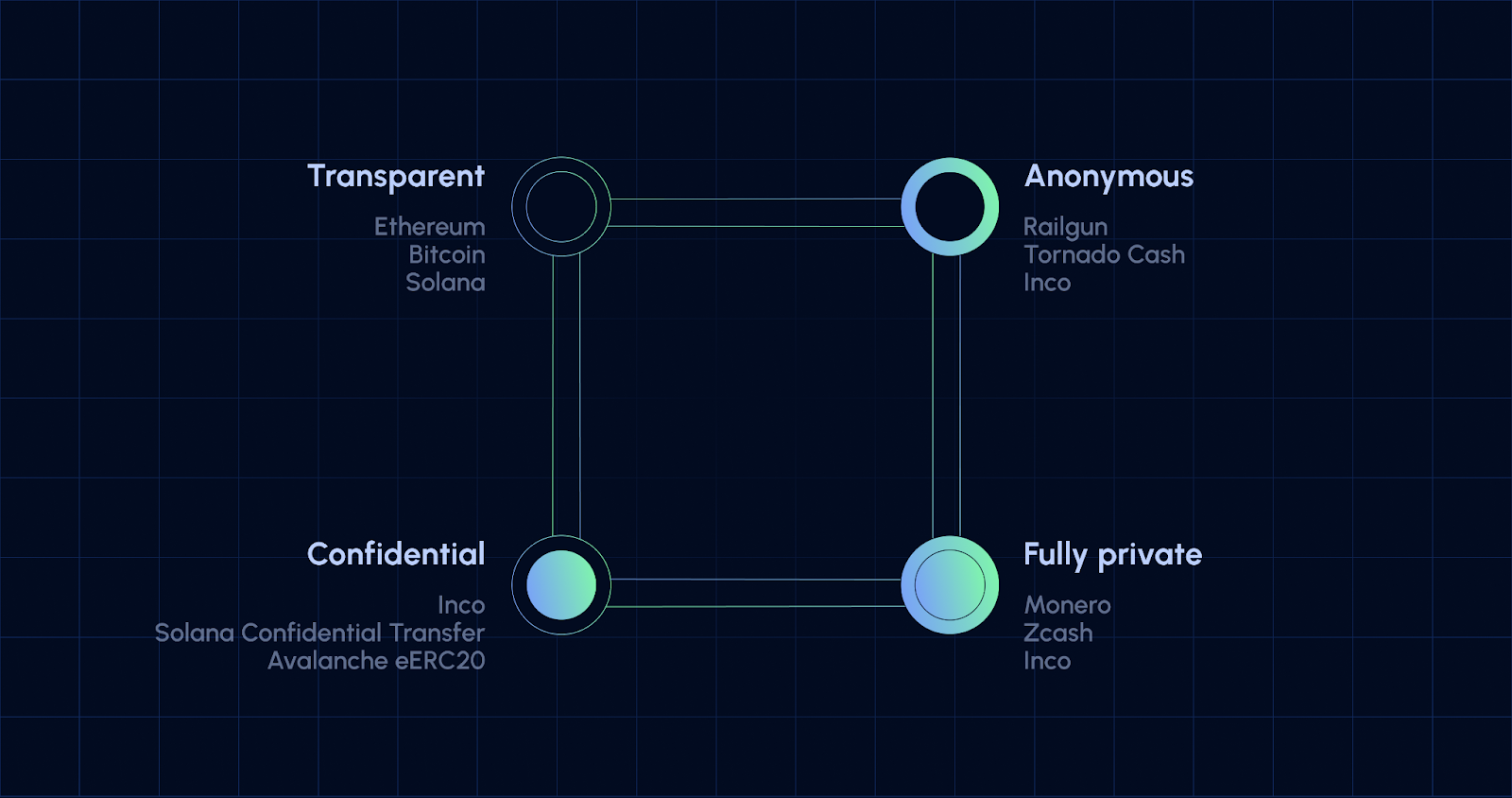
Advanced Technologies Powering Compliance-First Mixers
At the core of regulated mixers are technical innovations like Zero-Knowledge Proofs (ZKPs). Protocols such as zkFi allow users to prove their transactions meet compliance requirements without disclosing any sensitive data to third parties. In effect, these cryptographic proofs enable privacy and regulatory adherence to coexist, a breakthrough for those seeking legal crypto mixer services.
Additionally, configurable governance models like those used by zkMixer empower user communities to set rules for transaction mixing. Features such as deposit delays or the ability to refund or confiscate deposits flagged for suspicious activity create a transparent process aligned with global AML standards. This consensus-driven approach not only mitigates compliance risks but also fosters trust among institutional users wary of reputational damage.
Key Mechanisms That Enable Privacy Without Breaking Laws
Core Mechanisms for Privacy-Compliant Crypto Mixing
- Selective De-Anonymization: Frameworks like SeDe enable transaction de-anonymization under specific conditions, such as suspected illicit activity. This ensures privacy for legitimate users while allowing authorities to trace transactions when necessary.

- Zero-Knowledge Proofs (ZKPs): Solutions such as zkFi use ZKPs to validate transactions without exposing sensitive data. This allows mixers to prove regulatory compliance while preserving user privacy.
- Configurable Governance and Consensus Protocols: Platforms like zkMixer implement governance models that let user groups set mixing conditions, including deposit delays and rules for refunding or confiscating suspicious deposits. This consensus-driven approach helps balance privacy with AML compliance.
- Regulatory Registration and KYC/AML Procedures: Regulated mixers register with authorities such as FinCEN and implement robust KYC and AML protocols. This ensures mixers operate within legal frameworks while safeguarding user privacy.

Regulated mixers are not just about technology; they also involve proactive engagement with regulatory frameworks:
- KYC/AML Integration: Users must verify their identity before using the service, ensuring only legitimate actors participate.
- Registration with Authorities: Leading platforms register as Money Service Businesses (MSBs) with agencies like FinCEN, bringing them under direct regulatory oversight.
- Travel Rule Compliance: Some compliant cryptocurrency mixers integrate tools like MarketGuard to ensure sender and receiver information is transmitted according to FATF guidelines.
This multifaceted approach is transforming perceptions around crypto mixer compliance. Instead of being seen solely as vectors for illicit finance, regulated solutions now offer a blueprint for how privacy and lawfulness can reinforce each other in digital finance. For a deeper dive into how these mechanisms function in practice, see our detailed guide on how regulated crypto mixers enable privacy without breaking compliance.
Yet, the journey toward fully compliant privacy in crypto mixing is ongoing. The regulatory environment continues to evolve, with new guidance and enforcement actions shaping the contours of what is permissible. Notably, the Travel Rule: requiring sender and receiver information to accompany transfers, has become a litmus test for mixer legitimacy. Compliant mixers are now integrating automated compliance engines that flag suspicious patterns and facilitate rapid reporting in line with international standards.
Importantly, these compliance-first strategies do not come at the expense of user experience. Modern regulated mixers leverage intuitive interfaces and streamlined onboarding processes to minimize friction, even as robust KYC checks are performed. For institutional clients, customizable reporting and audit trails further ensure that every transaction can be reconciled with internal risk policies and external regulatory demands.
Risks and Limitations: Why Not All Mixers Are Created Equal
Despite these advances, not every crypto mixer on the market adheres to best practices. Unregulated or offshore mixers may still operate in legal gray areas, exposing users to significant risks, including frozen assets, delayed exchange listings, or potential legal action. As highlighted by compliance experts at TokenMinds and Merkle Science, using non-compliant mixers can damage reputations and undermine trust in emerging Web3 projects.
This makes due diligence essential. Users and organizations must verify that their chosen platform is registered with relevant authorities and employs transparent governance. Reviewing a mixer’s published compliance policies and technical documentation is no longer optional, it’s a baseline requirement for anyone prioritizing both privacy and legality in their crypto transactions.
The Future of Privacy and AML in Crypto Mixing
Looking ahead, the interplay of privacy technologies and regulatory compliance will define the next era of digital asset innovation. As zero-knowledge proofs mature and selective de-anonymization frameworks are refined, compliant cryptocurrency mixers will set new benchmarks for what is possible in privacy-preserving finance.
The trend is clear: regulatory alignment is now a competitive advantage. Platforms that successfully embed AML controls while providing robust privacy features are attracting both individual users and institutional capital. This shift is catalyzing broader acceptance of privacy tools within mainstream finance, an outcome that would have seemed improbable just a few years ago.
- Regulated crypto mixers now offer a viable path to confidential transactions without legal compromise.
- Advanced cryptography ensures that privacy and compliance are not mutually exclusive.
- Transparent governance models foster user trust and regulatory confidence alike.
For those seeking practical guidance on selecting a compliant solution for secure transactions, our resource on how to choose a compliant cryptocurrency mixer provides actionable insights.




No comments yet. Be the first to share your thoughts!