

Cryptocurrency donations have emerged as a powerful tool for supporting causes, facilitating cross-border philanthropy, and empowering organizations in restrictive environments. However, donors and recipients often face a critical tension: how to maintain transactional privacy without violating anti-money laundering (AML) or know-your-customer (KYC) regulations. In this landscape, regulated crypto mixers are increasingly recognized as the solution that enables legal privacy for cryptocurrency donations.
The Privacy Imperative in Cryptocurrency Donations
For many donors, privacy is more than just a preference, it is a necessity. Public blockchain ledgers make every transaction traceable, exposing both the source and the destination of funds. This transparency, while foundational to blockchain technology, poses risks to individuals who wish to support sensitive causes or protect their personal safety. Charities operating in politically sensitive regions or dealing with controversial issues may also require confidentiality to safeguard their operations and stakeholders.
Traditional crypto mixers offered a solution by blending coins from multiple users, making it difficult to trace the origin of funds. However, these services have historically attracted regulatory scrutiny due to their potential misuse for money laundering or sanctions evasion. The challenge is clear: how can privacy in crypto donations be preserved without enabling illicit activity?
Regulated Crypto Mixers: Bridging Privacy and Compliance
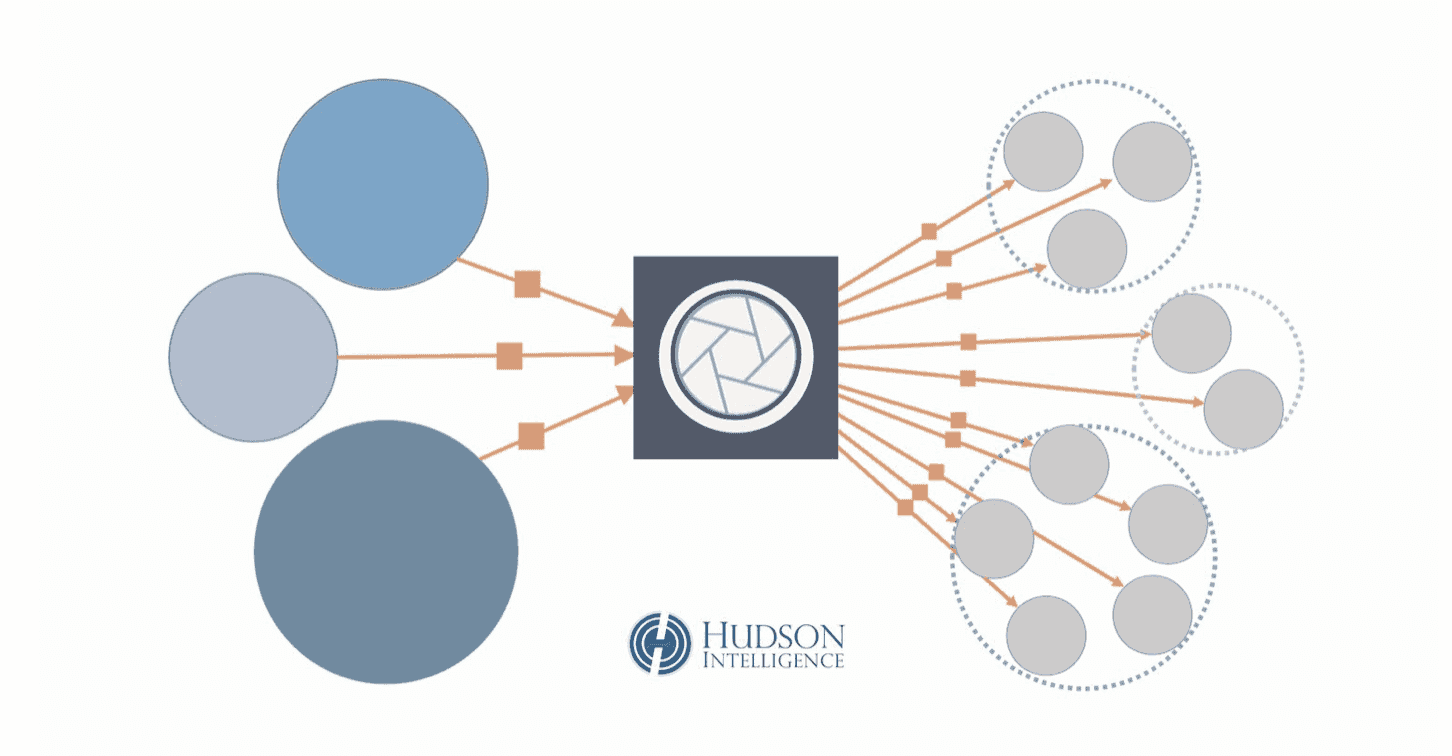
The new generation of regulated crypto mixers addresses this dilemma head-on by integrating robust compliance frameworks directly into their operations. Unlike unregulated tumblers, these platforms employ several mechanisms that allow them to deliver donor anonymity while satisfying global AML standards:
- KYC and AML Integration: Users must verify their identities before accessing mixing services. This ensures that only legitimate actors participate while still providing transactional privacy at the protocol level.
- MSB Registration: In key jurisdictions such as the United States, compliant coin mixers register as Money Services Businesses (MSBs) with regulators like FinCEN, a move that establishes oversight and accountability.
- Selectively Auditable Privacy: Innovations like Selective De-Anonymization (SeDe) allow for privacy-preserving transactions that can be selectively traced if required by law enforcement through court orders or consensus-based governance.
This approach enables donors to obscure their identity from public view while ensuring that all transactions are subject to lawful oversight, a balance increasingly demanded by both regulators and responsible users. For more on how these technologies work in practice, see our detailed breakdown at How Regulated Crypto Mixers Enable Privacy Without Breaking the Law.
The Legal Context: Navigating Sanctions, Bans, and Court Rulings
The legal status of cryptocurrency mixers is evolving rapidly, and with it, the options available for privacy-conscious donors. In August 2022, Tornado Cash was sanctioned by OFAC after allegations it facilitated over $7 billion in illicit transfers. Yet by November 2024, these sanctions were overturned on appeal when courts found regulatory overreach, demonstrating how quickly policy can shift in this space.
This uncertainty drove legislative proposals like the U. S. Blockchain Integrity Act (May 2024), which sought a two-year ban on all mixers amid ongoing concerns about criminal misuse. Despite such efforts, regulated bitcoin mixer platforms have continued developing sophisticated compliance features that distinguish them from black-market alternatives.
The upshot? Individuals seeking legal crypto privacy solutions, especially for charitable giving or sensitive transactions, now have access to compliant privacy exchanges designed specifically for lawful operation, not just anonymity at any cost.
How Regulated Mixers Enhance Trust in Crypto Donations
The integration of compliance into mixer protocols does more than satisfy regulators, it builds trust among donors and recipients alike. By choosing a regulated mixer platform with transparent governance and auditability features, organizations signal their commitment to ethical fundraising practices while protecting donor confidentiality.
This dual assurance, of both privacy and legality, is essential for scaling cryptocurrency donations into mainstream philanthropy without exposing participants to undue risk or scrutiny.
For philanthropic organizations and donors operating in high-risk or politically sensitive environments, the assurance that a compliant coin mixer provides can be the difference between safe, effective fundraising and exposure to unwanted surveillance or legal jeopardy. The best regulated crypto mixers now offer clear documentation of their compliance procedures, regular third-party audits, and transparent governance structures. This transparency allows donors to verify that their chosen platform is not only protecting their privacy but also adhering to prevailing financial regulations.
Importantly, the rise of consensus-based monitoring frameworks and selective de-anonymization means that privacy in crypto donations no longer comes at the expense of accountability. If suspicious activity is detected within a mixing pool, governance mechanisms can trigger an audit or initiate reporting protocols without compromising the privacy of compliant users. These innovations have dramatically improved the reputation of regulated bitcoin mixer services among both charities and compliance professionals.
Best Practices for Donors: Using Regulated Mixers Responsibly
For individuals considering cryptocurrency donations privacy as a top priority, it’s critical to choose platforms that clearly advertise their regulatory status and compliance features. Here are several best practices:
- Verify Registration: Ensure the mixer is registered as an MSB or equivalent in its jurisdiction.
- Review KYC/AML Policies: Understand what identity verification steps are required and how your data will be protected.
- Check for Transparency: Look for published audit reports, open governance frameworks, or documented compliance certifications.
- Avoid Unregulated Services: Using non-compliant platforms increases legal risk and undermines donor trust.
The right mixer should provide robust privacy without compromising on legal obligations, a core principle discussed further in our guide on how regulated crypto mixers ensure compliance with global AML laws.
Looking Ahead: The Future of Privacy-Compliant Crypto Donations
The regulatory landscape will likely remain fluid as lawmakers continue to grapple with balancing innovation against potential misuse. However, one trend is clear: demand for privacy in crypto donations, coupled with regulatory scrutiny, will continue to drive technical innovation among compliant privacy exchanges. Features such as real-time transaction monitoring, on-chain auditability, and community-driven governance will become standard requirements, not just differentiators.
This evolution promises a future where donors can support causes they care about while retaining control over their personal information and remaining fully compliant with international law. As privacy technology matures within a regulated framework, cryptocurrency philanthropy is poised to enter a new era, one where trust is built not only on cryptography but also on transparency and accountability.




No comments yet. Be the first to share your thoughts!