

Privacy has always been a cornerstone of the cryptocurrency ethos, but as the sector matures, so too does the demand for solutions that balance discretion with regulatory obligations. The narrative around regulated crypto mixers is rapidly shifting. What was once seen as a tool for anonymity at the expense of compliance is now evolving into a sophisticated mechanism for privacy and compliance on blockchain. This transformation is powered by new cryptographic breakthroughs and a deeper understanding of legal frameworks worldwide.
Technologies Redefining Privacy: Zero-Knowledge Proofs and Beyond
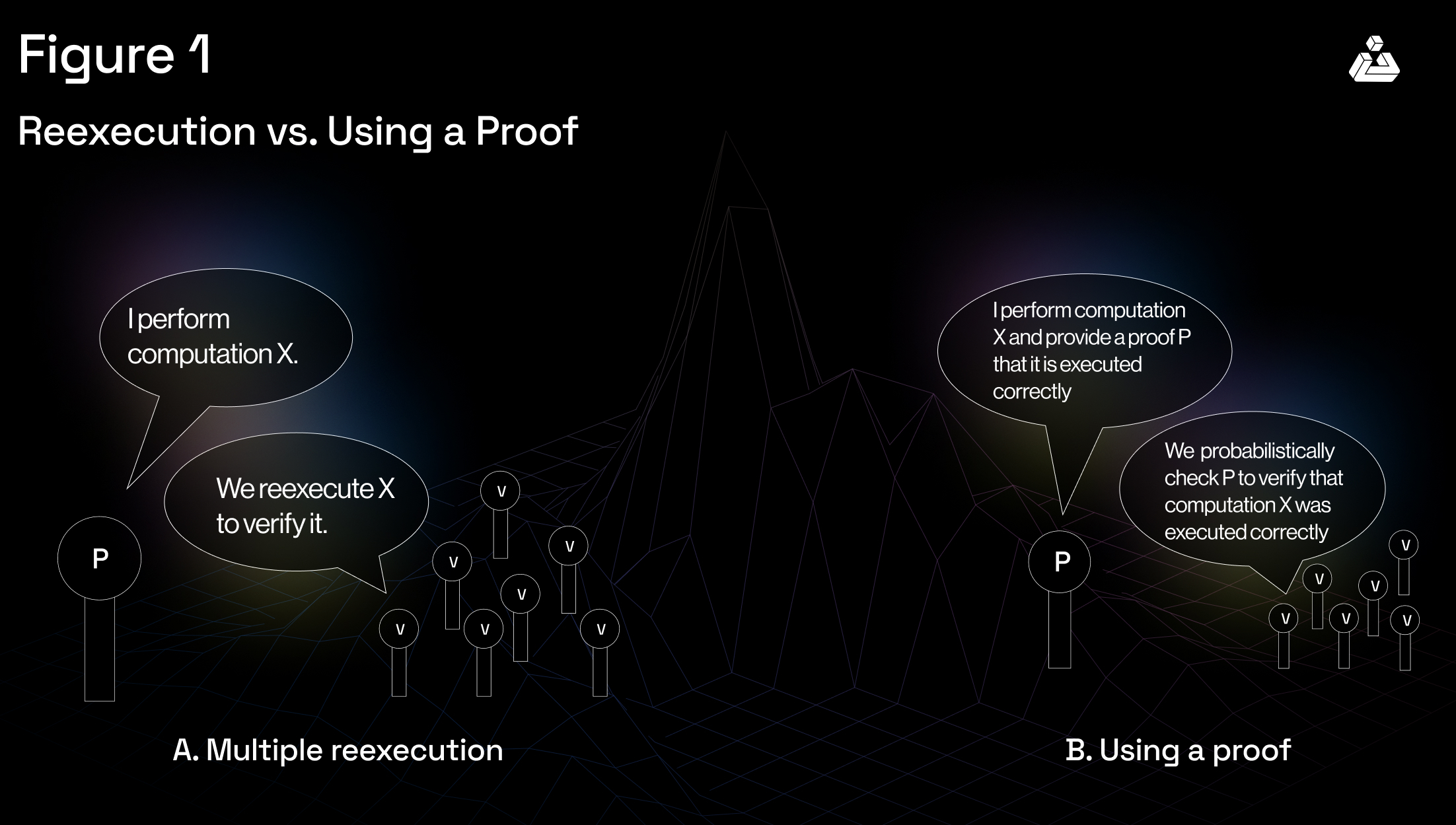
The heart of compliant cryptocurrency mixers lies in their ability to obscure transaction origins without enabling illicit activity. Zero-knowledge proofs (ZKPs) have emerged as the technological linchpin here. With ZKPs, users can prove they have satisfied certain requirements (like passing KYC checks) without revealing any sensitive data. Protocols such as zkFi and zkKYC are leading this charge, letting users demonstrate compliance while shielding their identities from unnecessary exposure.
This isn’t just theory: projects like Railgun and frameworks like REGKYC are already leveraging zero-knowledge cryptography to enable selective disclosure. That means privacy is preserved by default, but there’s an auditable trail available if law enforcement or regulators present valid legal requests, a concept known as selective de-anonymization (SeDe). This approach prevents overreach while still empowering authorities to investigate suspicious activity.
Selectively Private: How Mixers Balance Transparency with Trust
The next generation of compliant cryptocurrency mixers relies on more than just cryptography. They also implement governance protocols that enforce anti-money laundering (AML) requirements at the protocol level. For example, solutions like zkMixer introduce configurable rulesets that automatically screen incoming funds, ensuring only clean assets enter the mixing pool.
This innovation allows regulated mixers to offer what traditional privacy tools could not: conditional privacy. Transactions remain private unless flagged by consensus-driven governance or regulatory triggers, such as a court order or sanctioned address list match. This model offers peace of mind to both privacy-conscious users and regulators wary of unchecked anonymity.
The Legal Landscape: Navigating Regulation Without Sacrificing Anonymity
The regulatory environment is anything but static. In jurisdictions like the United States, agencies such as FinCEN require certain mixer operators to register as Money Services Businesses (MSBs), implement robust AML programs, and maintain audit trails, all while respecting user rights where possible. The recent sanctions against Tornado Cash and Blender. io underscore why compliance isn’t optional; it’s foundational for long-term viability.
Yet legal innovation is catching up with technical progress. Zero-knowledge KYC (zkKYC) solutions are a prime example: they let users prove regulatory compliance without exposing underlying personal data, thus offering a pathway that satisfies both privacy advocates and enforcement agencies.
Regulated crypto mixers are thus positioning themselves not as adversaries of the law, but as partners in achieving a safer, more privacy-respecting blockchain ecosystem. This shift is also driven by institutional demand: businesses and high-net-worth individuals require solutions that offer both confidentiality and demonstrable compliance. As privacy technology matures, regulated mixers are increasingly seen as essential infrastructure for mainstream adoption of digital assets.
One practical outcome of these advances is the rise of KYC/AML compliant mixers that utilize modular frameworks. These systems allow organizations to tailor privacy levels and compliance checks to their specific regulatory environments. For example, some mixers now provide APIs for real-time wallet screening against global sanctions lists or enable transaction reporting for suspicious activity directly to regulators, without exposing unrelated user data. This granular approach enables dynamic risk management without undermining core privacy guarantees.
The Road Ahead: Challenges and Opportunities
Despite clear progress, several challenges remain. Interoperability between different blockchains and regulatory regimes is still in its infancy. Mixers must keep pace with evolving standards while ensuring their protocols remain auditable and upgradable. There’s also a need for greater transparency around governance processes, how are rules set, who has oversight, and how are disputes resolved? These questions will shape the next phase of mixer innovation.
Another unresolved issue is education: users must understand that not all privacy tools are created equal. Choosing a legally compliant crypto mixer requires due diligence around technical architecture, jurisdictional coverage, and community trust. As regulatory scrutiny intensifies globally, mixers that cannot demonstrate robust compliance will face existential risks, including delisting from exchanges or outright bans.
For those seeking deeper insight into how these technologies work in practice, and how to select the right solution, exploring case studies from established providers can be invaluable. Look for documented audits, open-source codebases, and evidence of ongoing engagement with regulators and industry bodies.
The bottom line? The convergence of zero-knowledge proofs, selective disclosure frameworks, and proactive legal alignment is setting a new standard for privacy technology in crypto compliance. As these innovations become more accessible and transparent, they promise a future where financial privacy is not only protected but fully compatible with global regulatory norms.




No comments yet. Be the first to share your thoughts!